An older housing stock, and what that actually means
A large share of homes across Chatham-Kent's towns — Wallaceburg, Blenheim, Ridgetown, Dresden, Wheatley, Bothwell, Thamesville and the smaller communities around them — were built well before modern building codes. That shows up consistently in the same handful of places: roof age, furnace age, and wiring type, whether the house has been meaningfully updated or not. It's not a knock on the area; it's simply what an older, established municipality's housing stock looks like, and it's the single biggest reason condition matters more here than curb appeal does when a buyer prices a house.
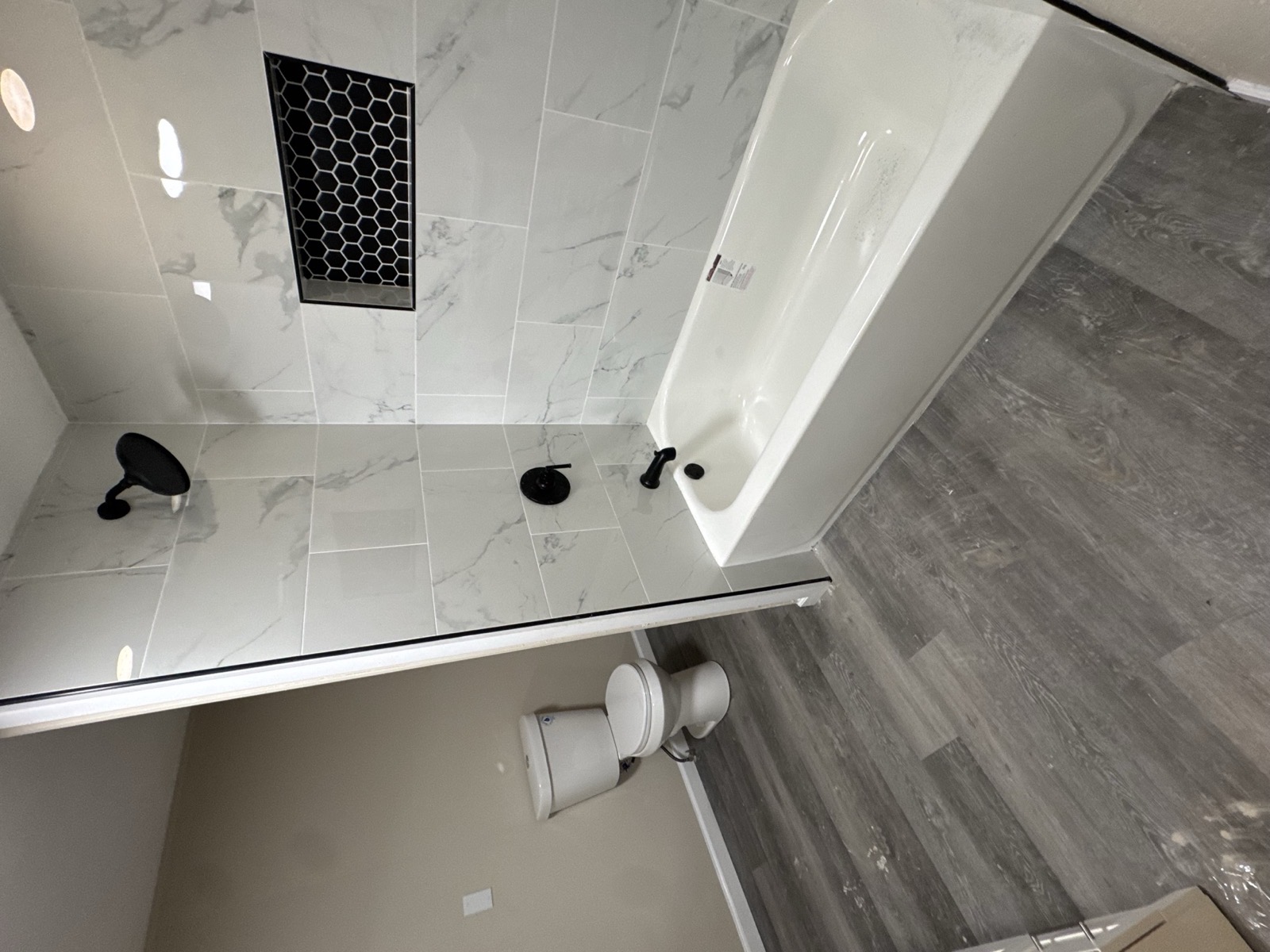
This also means renovation and rehab activity is a genuinely bigger part of the local market here than in a newer-build suburb — houses that need real work are common, not exceptional, and that shapes both what buyers expect to find and what sellers should expect a fair offer to reflect.
A commuter and relative-affordability pull
Chatham-Kent sits within a realistic commuting distance of Windsor and within a longer but workable one of the broader southwestern Ontario job market, and its pricing is meaningfully more affordable relative to the GTA and to Windsor itself. That combination has drawn a steady, if not dramatic, flow of buyers looking for more house and more land for the money, without needing to name a specific figure to describe the pattern.
That pull isn't uniform across every town — a lakeside or highway-adjacent community draws differently than an inland farming community — which is part of why local, town-by-town knowledge matters more here than a single county-wide number ever could.
Why the county behaves like several small markets, not one
Chatham-Kent is geographically large and made up of distinct towns and rural areas, each with its own housing stock age, its own commuter distance, and its own pace of activity. A house in a lakeside community like Erieau sells into a different pool of buyers than a house in an inland farming town like Bothwell, even though both fall under the same municipal umbrella. Anyone quoting a single countywide number as if it applies evenly everywhere is skipping the part that actually matters to a specific seller.