Inherited & Estate · Ontario

Does Home Insurance Cover an Empty House in Ontario?

Not fully, and not indefinitely — most standard Ontario home policies limit or exclude certain coverage once a house has been unoccupied past a set threshold, commonly around 30 days, unless the insurer is notified and a vacancy endorsement is added. A house that's simply empty is not automatically uninsurable, but it needs a specific conversation with the insurer, not an assumption that the existing policy still applies as written.

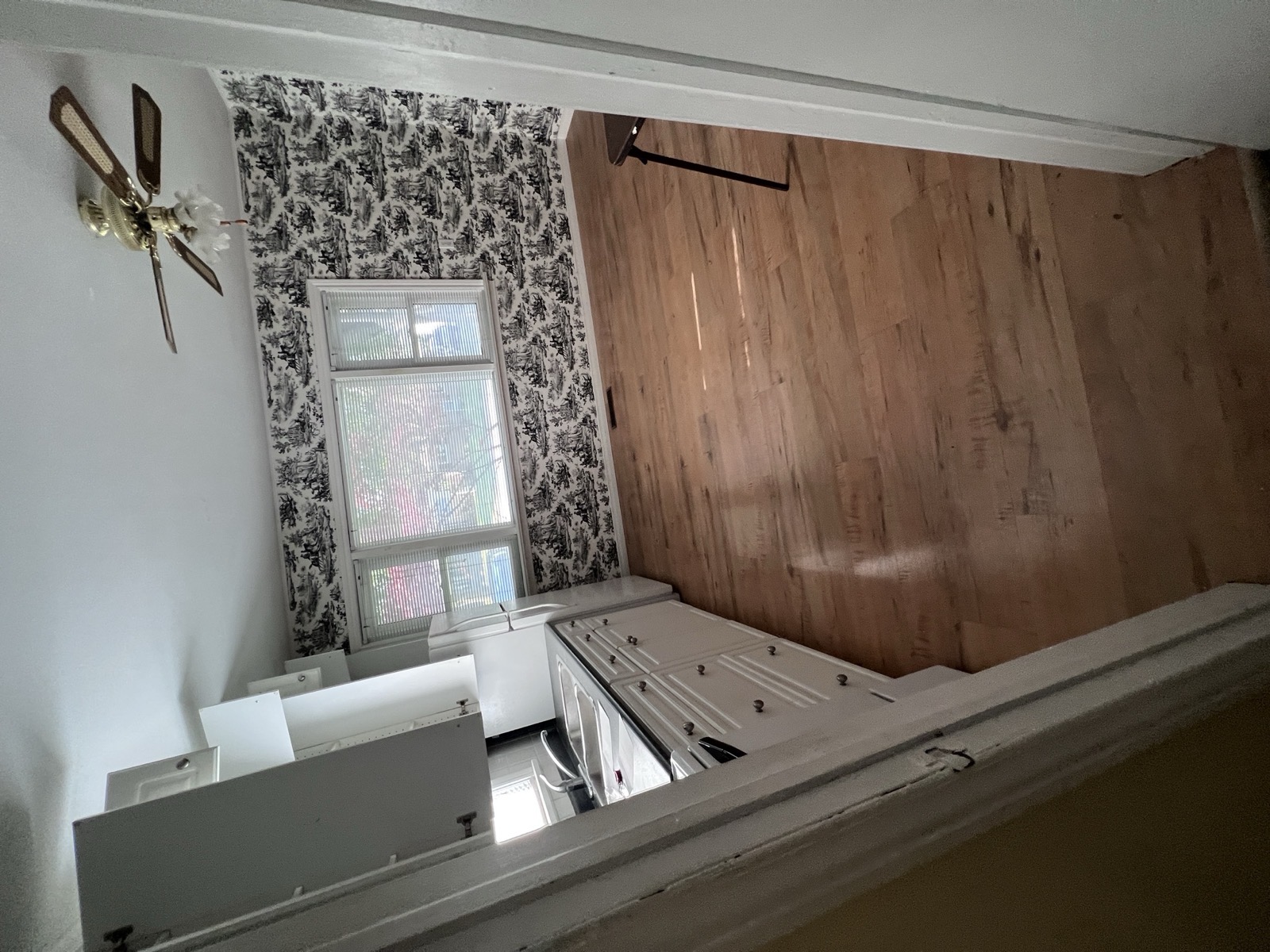
Wallpapered kitchen with original hardwood, as the family left it

What "coverage narrows" actually means

Some insurers deny water-damage or vandalism claims specifically on unoccupied properties past the threshold, even while other coverage continues — the exact scope of what narrows depends entirely on the policy wording.

The fix, and roughly what it involves

A vacancy endorsement, arranged directly with the insurer, typically adds a cost but keeps coverage intact for the specific risks that matter most on an empty house — a straightforward trade worth making rather than guessing.

Why this comes up so often with estate houses specifically

A house that goes empty after a death often sits that way for weeks or months while the estate gets sorted — exactly the situation the vacancy clause is designed around, and exactly why it's the first call on any estate-house checklist.

Common Questions
The vacancy clock runs the same either way — what matters is whether anyone's living there day to day, not the reason it's empty.
That's a conversation for the insurer directly, and if the claim is disputed, an insurance lawyer — this is general information, not a substitute for that conversation.
Next step
The Empty House Checklist
Nine things, in order, for the first fourteen days a house sits empty -- starting with the one call that protects everything else.
Get the free checklist
Related