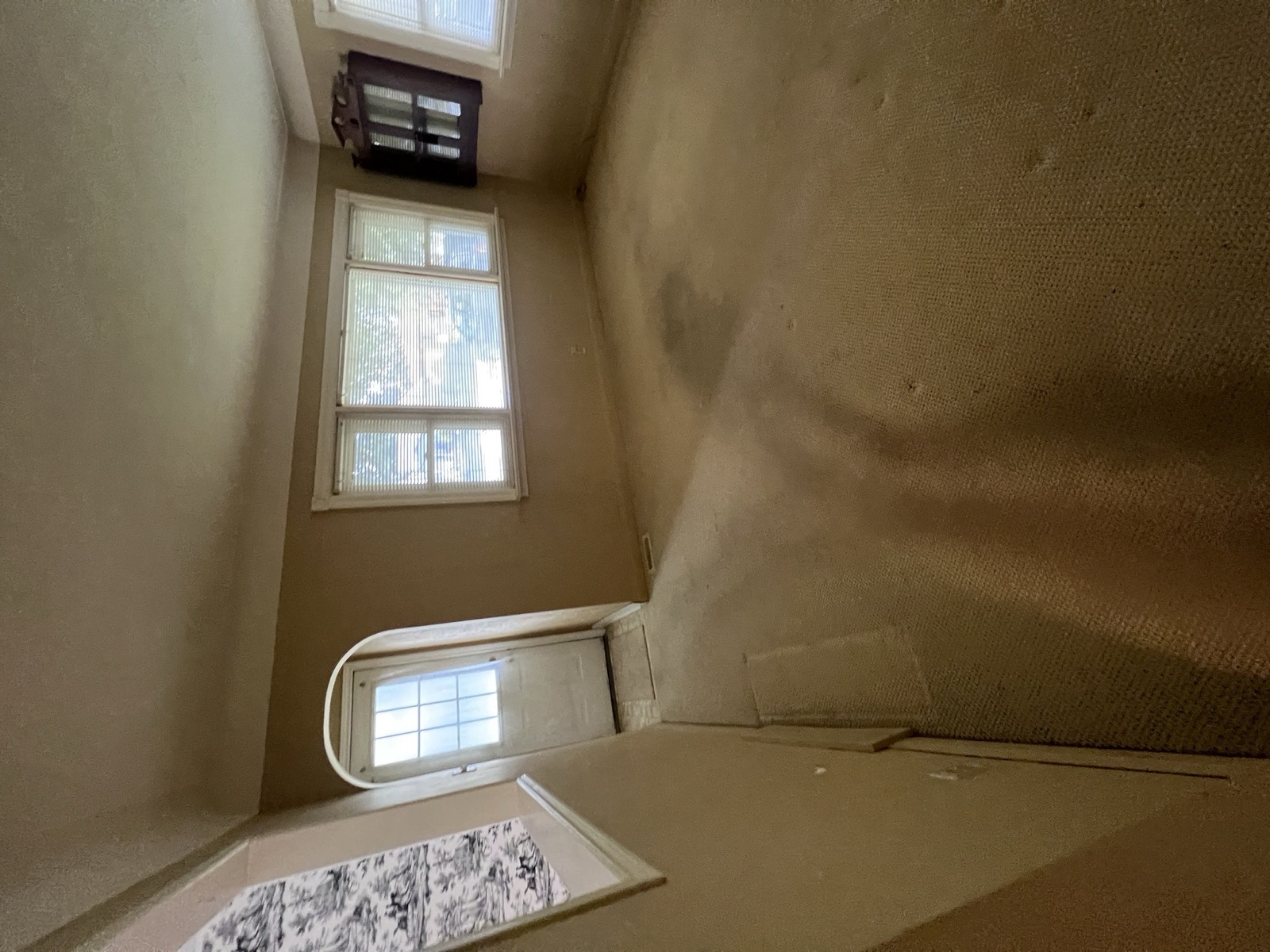
Measure first — it changes every decision after it
Before deciding what to keep, get the real dimensions of the new space, including doorways and stairwells the furniture has to pass through to get there. A couch that's sentimentally important but physically won't fit through the new building's hallway is a decision that gets made once it's already been moved, if the measuring step gets skipped.
Once the space and its real constraints are known, keep becomes a much smaller, faster decision — usually the pieces used daily and the handful that genuinely matter emotionally, not everything that might theoretically still be useful.
What's left splits into sell, donate, and gift — and each has a different timeline
Furniture with real resale value is worth a quote from a local consignment shop or an online marketplace listing, though this can take weeks to actually sell, so it shouldn't be the last step before a moving deadline. Donation to a local charity is usually faster and simpler for anything without strong resale value, and often comes with a tax receipt worth asking for.
Offering specific pieces to family members before donating or selling them avoids the awkward situation of something meaningful going to a thrift store because nobody asked. A short window — a week or two — with a clear deadline keeps this step from stalling the whole process.
Timing this against a moving date, not against emotion
Furniture decisions get harder, not easier, closer to a moving deadline — starting this sort a few months out, rather than the final week, gives sell and donate options time to actually work rather than everything ending up at the curb because there wasn't time left to do it properly.