Inherited & Estate · Chatham-Kent

What to Do With an Empty House After a Parent Dies

The most urgent step is calling the home insurer within the first week, because most policies limit or void coverage after roughly 30 days unoccupied. Everything else — mail, heat, contents, documents — has a real deadline too, but that call protects everything that comes after it.

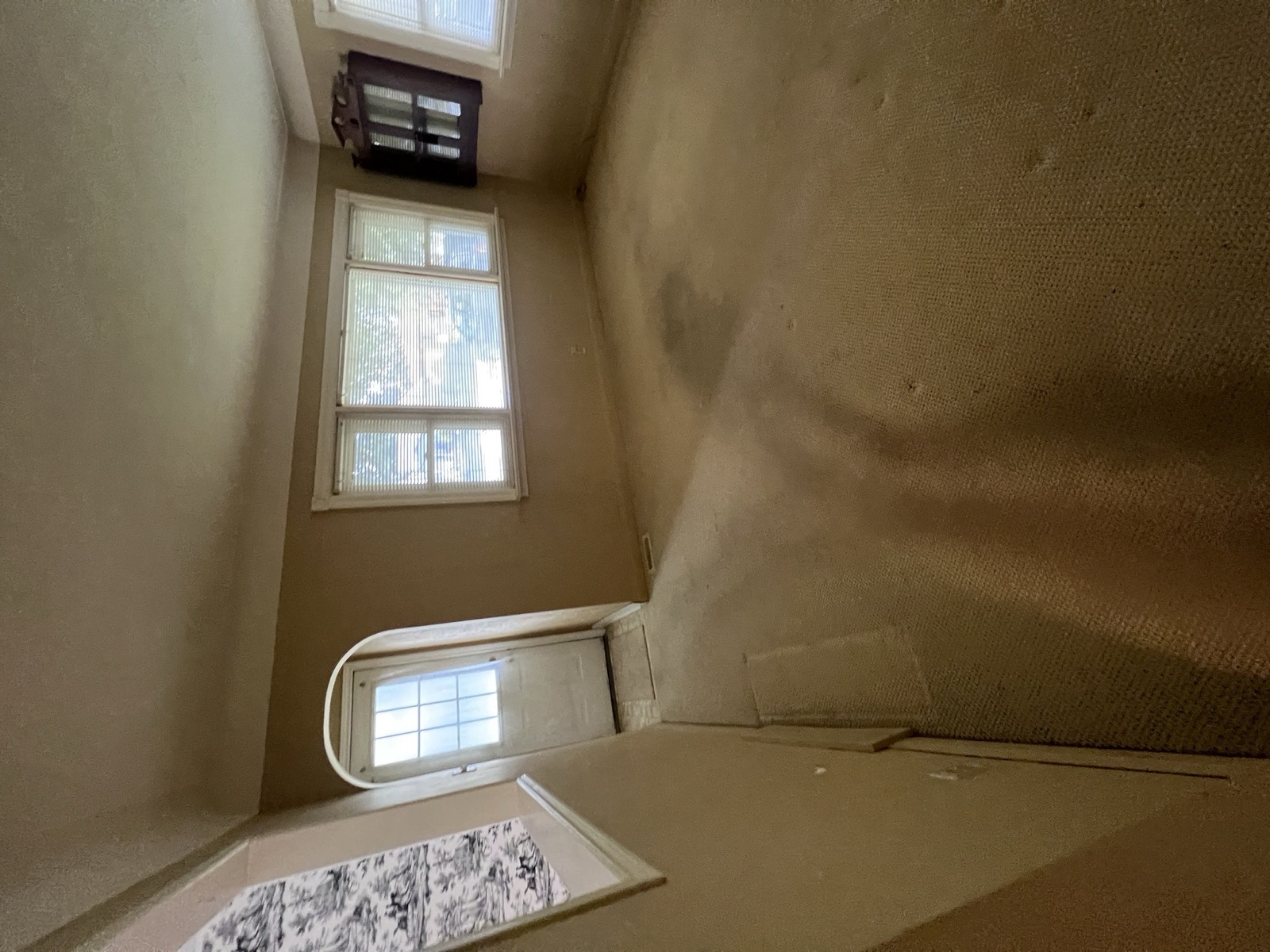
Empty carpeted living room, left exactly as it was found

The clock most people don't know is running

A house that goes quiet doesn't come with a list. The insurance vacancy clause is the one item that turns an inconvenience into a five-figure problem if it's missed, and it's rarely mentioned to a grieving family by anyone — not the funeral home, not the bank, not a well-meaning neighbour.

What has a real deadline, and what doesn't

Insurance notification, heat-or-drain the plumbing before a freeze, and mail redirection all have clocks attached. Deciding what happens to the house itself does not — that's a decision, not a deadline, and it's fine to take time on it once the first three are handled.

Where this checklist came from

We built The Empty House Checklist after watching Chatham-Kent families lose money to exactly this gap — not from a bad decision, just from nobody telling them the clock existed. It's free, it's one page, and using it doesn't commit you to anything, including talking to us.

Common Questions
Yes. Most standard home policies have a vacancy clause limiting or voiding coverage after roughly 30 days unoccupied — some insurers allow 60. Terms vary by insurer, which is exactly why the checklist's first step is calling yours directly.
No. Most people who download this aren't ready to think about selling yet, and the checklist doesn't assume you are.
Next step
The Empty House Checklist
Nine things, in order, for the first fourteen days a house sits empty -- starting with the one call that protects everything else.
Get the free checklist
Related