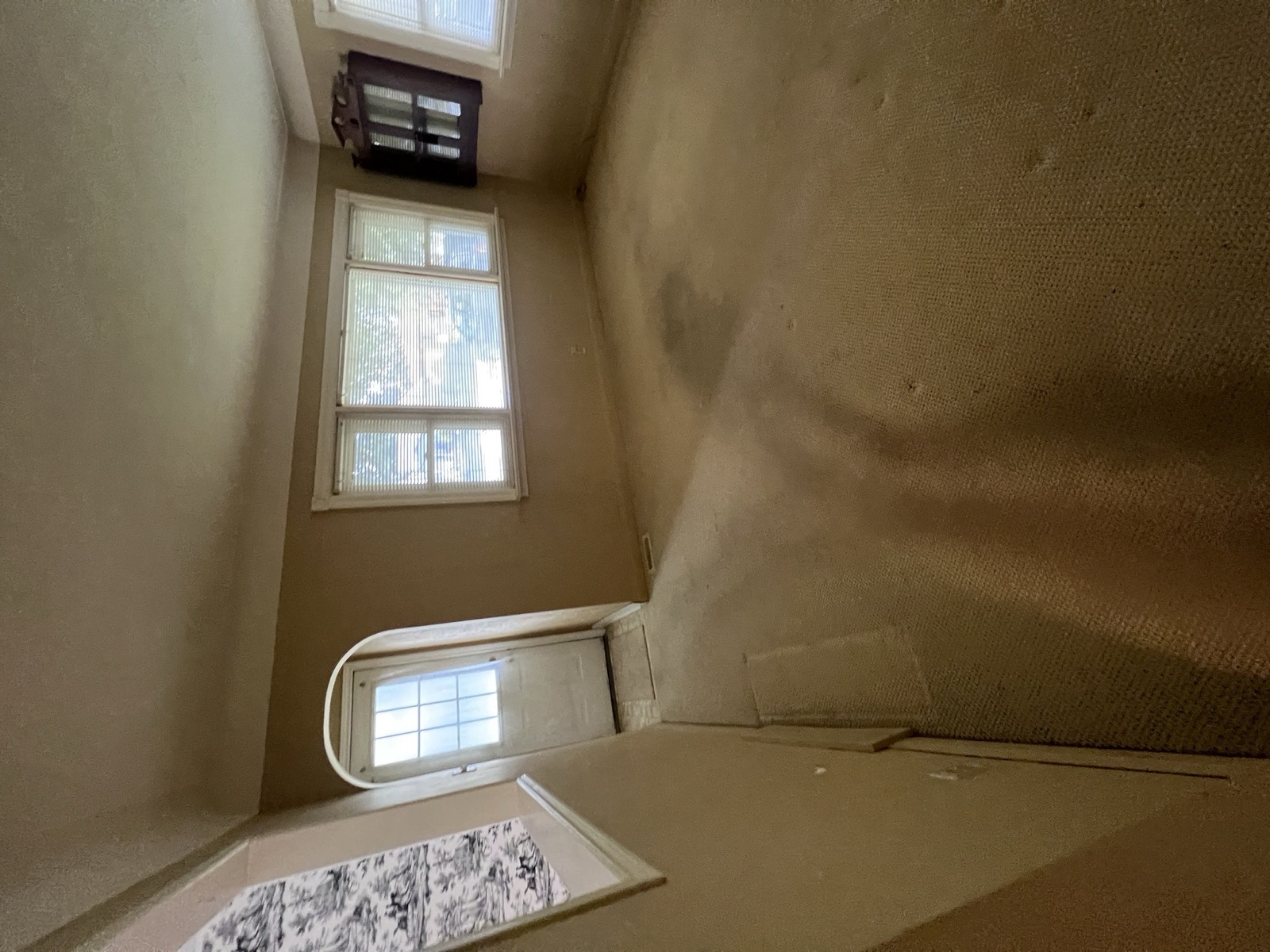
Start with paper and valuables, not furniture
Before anything else gets touched, locate the will, financial statements, insurance documents, and anything else the executor or estate lawyer will need. Jewellery, cash, firearms (which have their own legal handling requirements in Canada), and anything of clear monetary or sentimental value should be identified and secured early, not found halfway through a general clear-out.
This step matters even more when the estate is being handled by an out-of-town or out-of-province executor who can't be physically present for every stage — a documented inventory taken early gives everyone something concrete to work from later.
Sorting the rest: keep, donate, dispose
Once documents and valuables are handled, the bulk sort is usually keep (for family), donate (usable furniture and household goods to local charities), and dispose (genuinely unusable items). Offering specific pieces to family members with a short, clear deadline avoids the common problem of something meaningful ending up donated because nobody asked in time.
For a house with a significant volume of belongings, or where cleanliness or hoarding is part of the picture, a professional estate cleanout or junk removal service can move faster than doing it alone — worth pricing out if the house needs to be ready on a deadline.
The final walkthrough, before listing or an as-is sale
A last walkthrough with fresh eyes — checking closets, the attic, the garage, and any storage areas that get skipped in the main pass — catches what the first sort misses. If the plan is an as-is cash sale rather than a traditional listing, this step matters less for the sale itself, since most as-is buyers expect to deal with remaining contents, but it still matters for making sure nothing of value gets left behind.