Aging in Place

Is It Time? Signs an Aging Parent Can't Live Alone Anymore

The signs that matter most usually aren't dramatic — a fall gets noticed immediately, but missed medication doses, an unopened mail pile, a stove left on, or a noticeable weight change often build for months before anyone names them out loud. Naming them early is what turns a crisis into a plan.

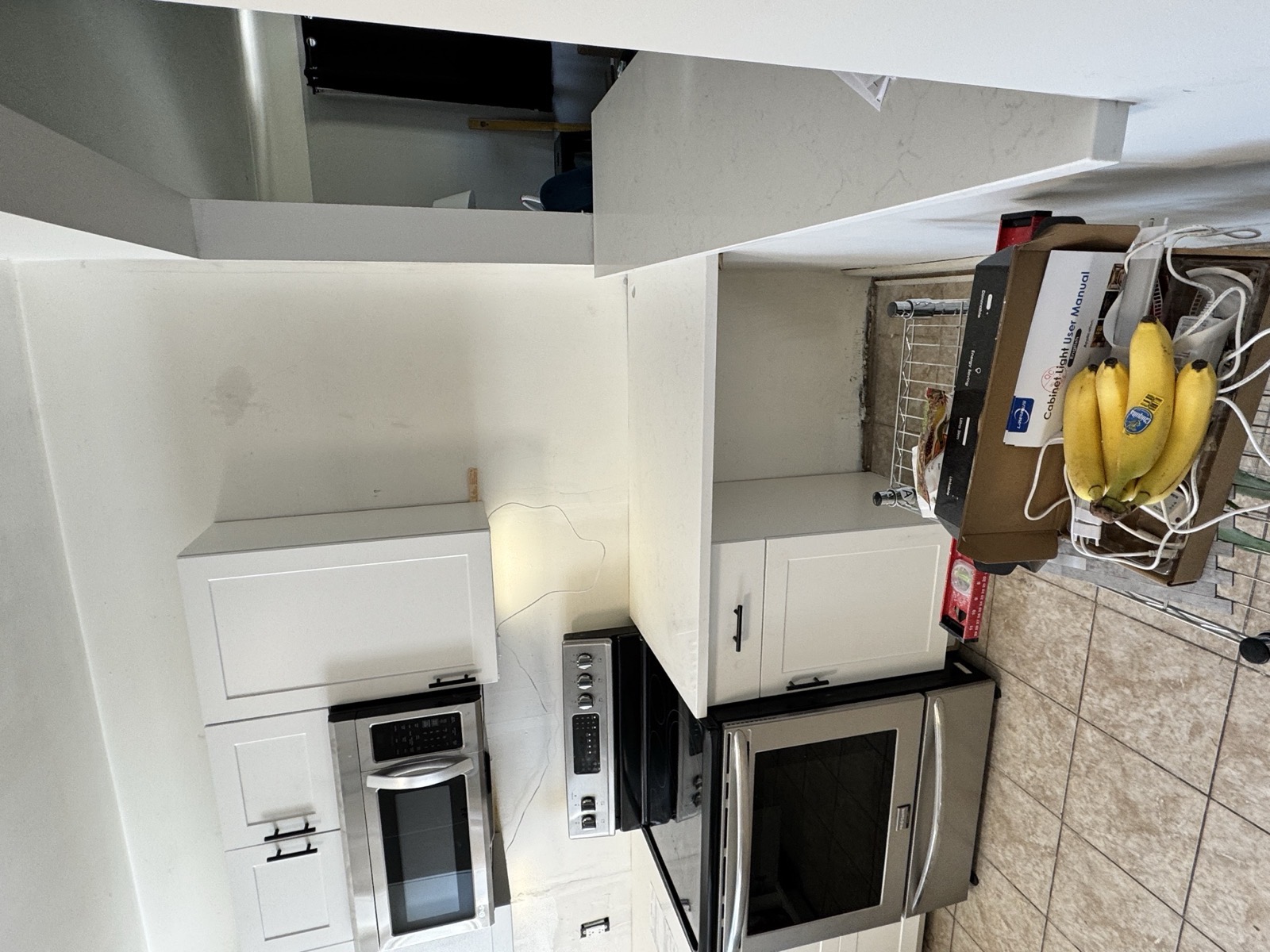
Finished pass-through kitchen with white cabinets and quartz counters

The quiet signs, not the dramatic ones

Unopened mail and unpaid bills. Expired food building up. Missed medication, or medication taken at the wrong times. Weight loss nobody's mentioned. Difficulty with stairs that's being worked around rather than addressed. Any one of these alone isn't an emergency — a pattern of several is worth a real conversation.

Why this is a house question too, eventually

A house that made sense for a family of four in 1975 often stops making sense for one person managing stairs, a big yard, and an aging furnace alone. That's not today's decision, but it's worth knowing the house is part of the picture before a crisis forces the timeline.

How to start the conversation without it landing as an attack

Lead with a specific observation, not a diagnosis — "I noticed the mail's been piling up" lands very differently than "you can't manage on your own anymore." One conversation rarely settles anything; the goal is opening the door, not closing the decision in one sitting.

Common Questions
Not usually — this is about capacity and safety, not accumulation. A different, more specific set of signs applies to hoarding, and it's worth treating as its own topic rather than assuming overlap.
No. This is about the person first. The house question, if it comes, comes later and separately — see Sorting Out a Parent's House for that step when it's relevant.
Next step
Sorting Out a Parent's House
The four things that have to happen, and the order they have to happen in, written for families in Chatham-Kent.
Get the free guide
Related