Private Lending · Ontario

Private Lending Returns on Ontario Real Estate

A private mortgage's return is priced from three things: the loan-to-value ratio, the position on title (first versus second charge), and the term length — riskier, later-position, shorter-term loans generally command a higher rate than a conservative first mortgage with a large equity cushion. There's no single market number; each deal is underwritten on its own terms.

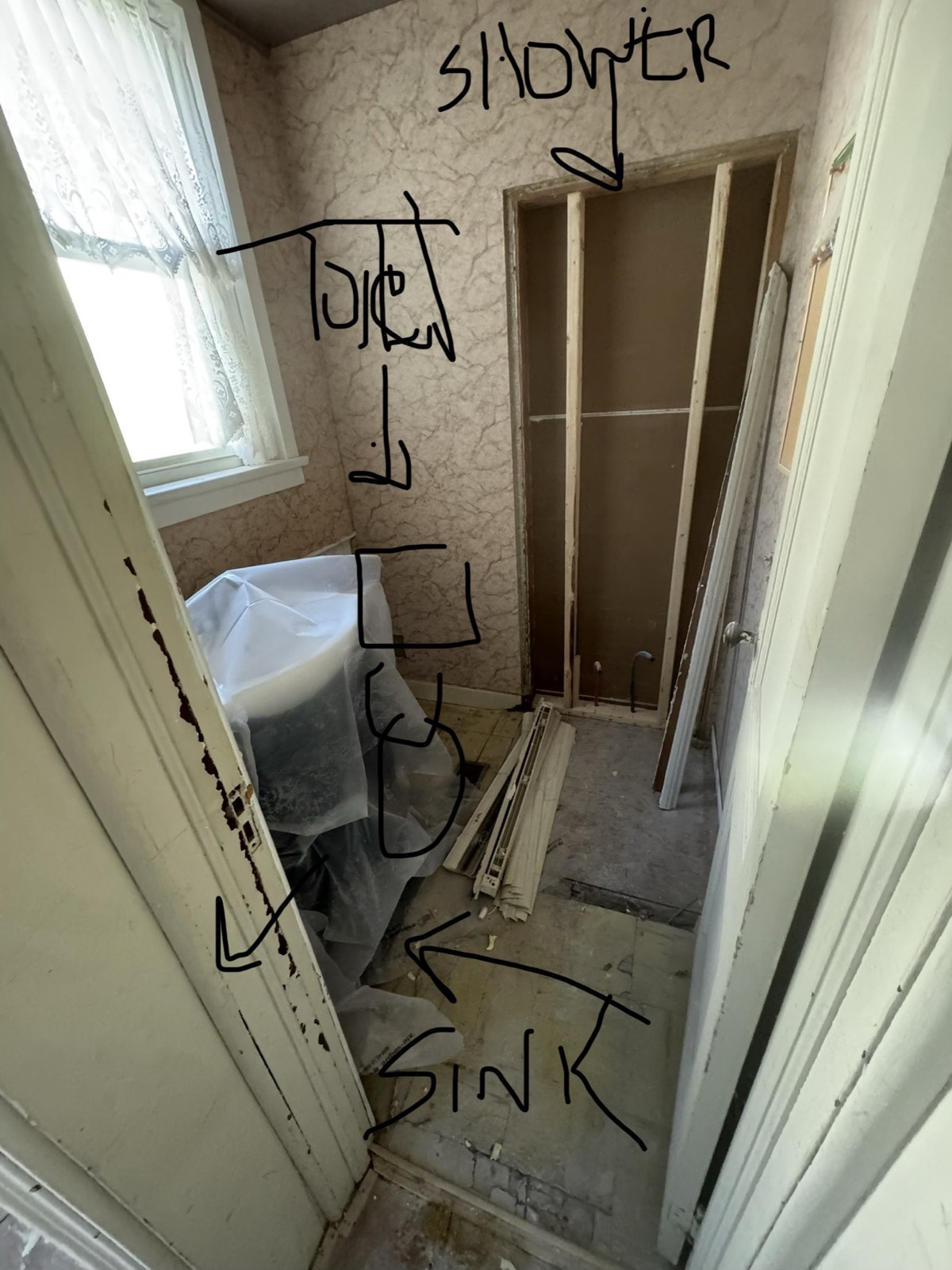
Shower, toilet and sink positions written in marker on new drywall

Why loan-to-value drives the rate more than anything else

A loan at 50% of appraised value has a much larger cushion if something goes wrong than one at 80% — that cushion is what a lender is compensated for taking less of, or more of.

First position vs. second position

A first charge gets paid before any other registered interest if the property is sold. A second charge sits behind it — more risk, which is why second-position private loans typically carry a higher rate than a first mortgage on the same property.

What a lender should ask before accepting a rate

What's the exit — refinance, sale, or a specific project completion? What's the actual appraised value, and is it current? Who else is registered on title ahead of this position? A rate that looks attractive without clear answers to these is a red flag, not a bonus.

Common Questions
Typically yes, in a standard private mortgage — the rate is set at funding, though every deal's structure should be confirmed in the actual mortgage document.
Not if it's paired with a thin equity cushion or a second position behind other debt — the rate has to be judged against the actual risk, not read on its own.
Next step
Sorting Out a Parent's House
The four things that have to happen, and the order they have to happen in, written for families in Chatham-Kent.
Get the free guide
Related