Why the sale and the closing are two different clocks
Nothing legally requires an estate to sit vacant and untouched until probate is granted. Getting the house ready, listing it, and even signing an accepted offer can generally happen in parallel with the probate application. What can't easily happen is transferring clear title without probate, because that's the document a buyer's lawyer relies on to confirm who has the legal authority to sell.
Some smaller or more straightforward estates may not need probate at all, depending on how the property is held and what the estate consists of — that's a case-by-case legal question, not a general rule, and it's the first thing to raise with an estates lawyer before assuming either way.
What this means practically for timing a sale
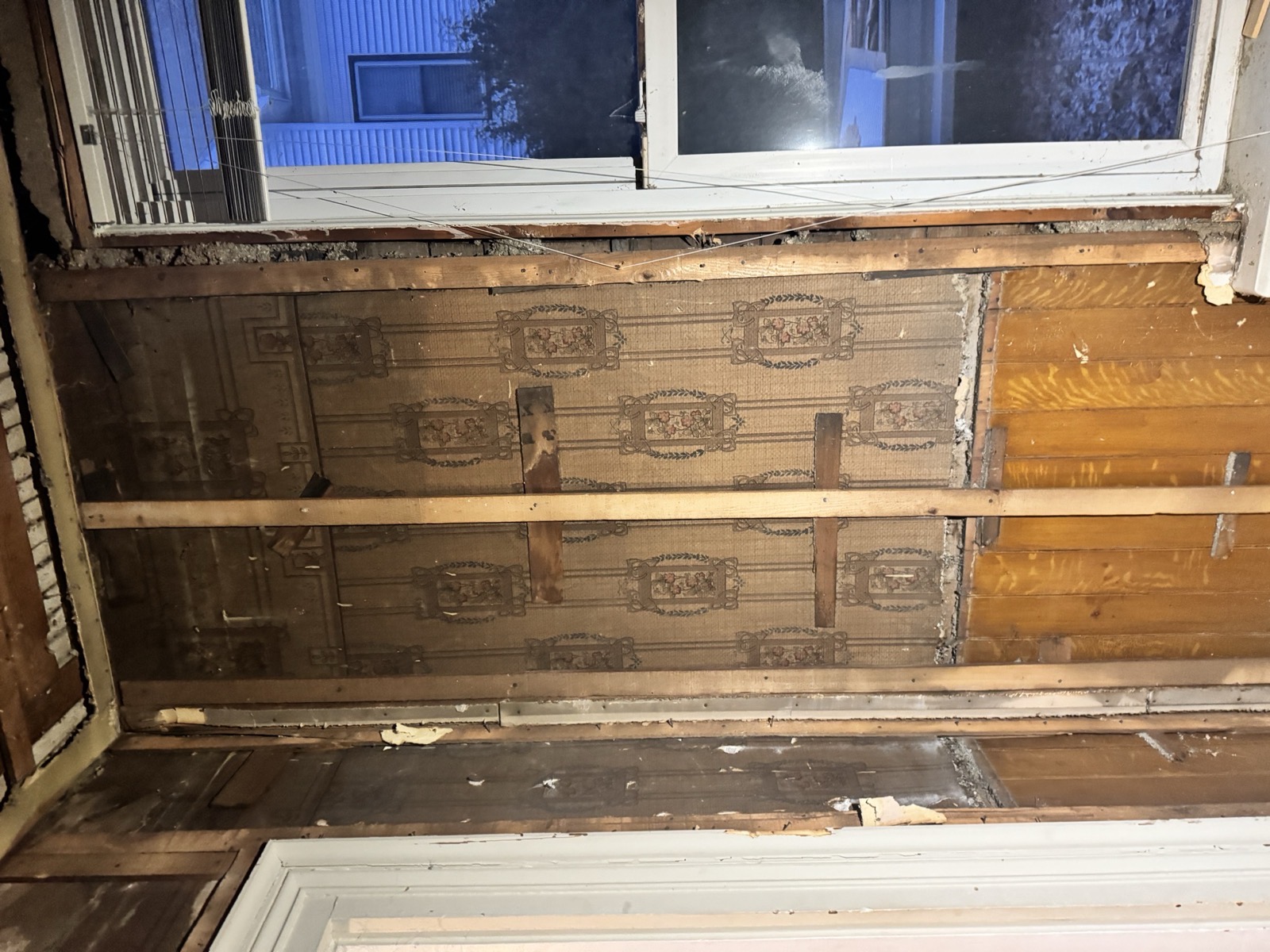
If a house needs work before it can be shown or sold, that work can happen while probate is in process — it doesn't need to wait. An as-is cash sale removes even more of that overlap, since there's nothing to prep before an offer can be made. The one date that genuinely depends on probate status is the closing date itself, which a buyer's lawyer will confirm against the certificate before funds move.
Talk to the estate's lawyer early about realistic probate timing in the specific estate — it varies by court and by how complete the application is — so the closing date on any accepted offer is set with real information, not a guess.