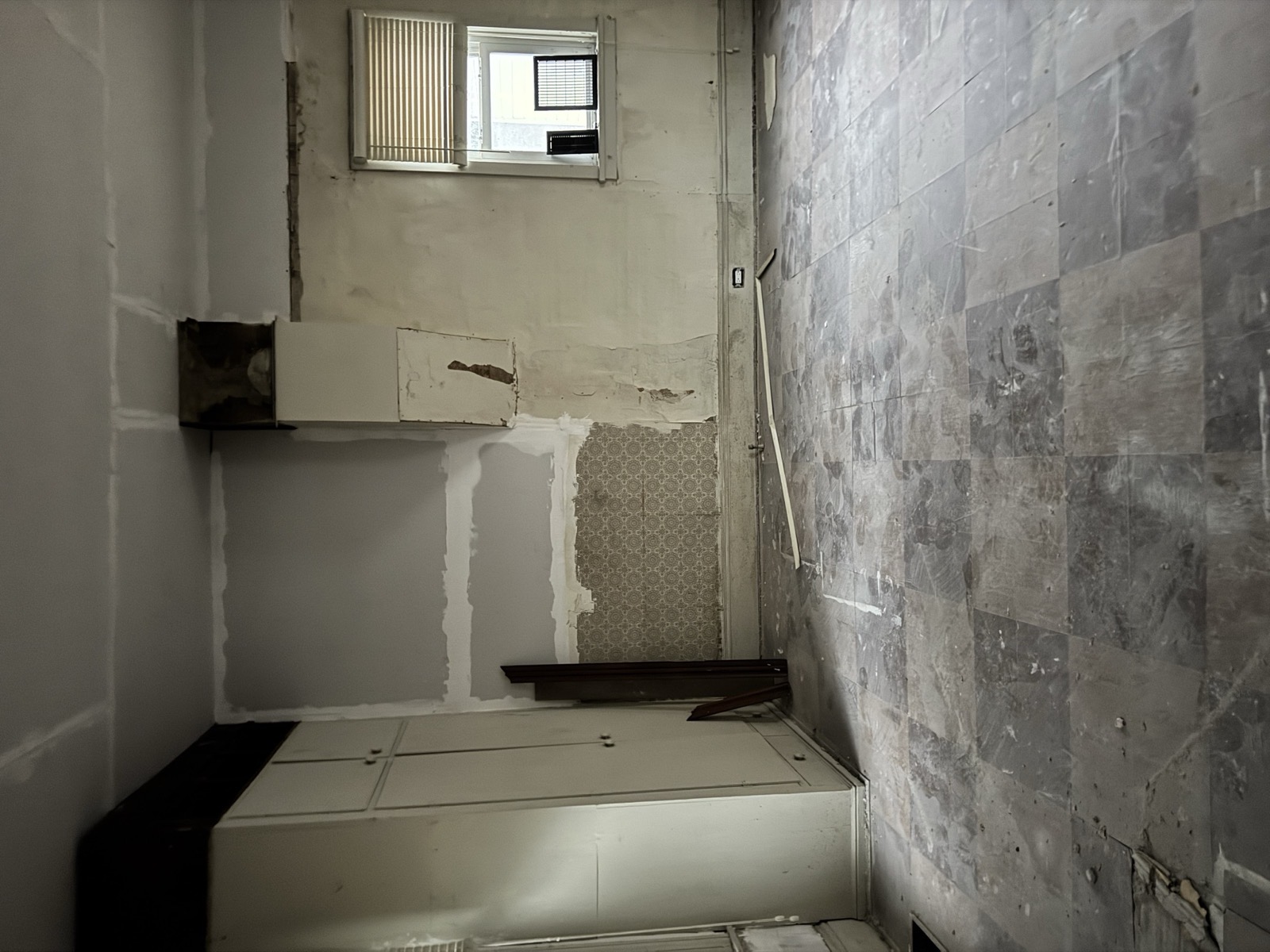
Why it's rarely actually about the house
One sibling wants to keep it, one wants cash now, one hasn't answered a text in three weeks. From the outside it looks like a values clash. Underneath, it's almost always one of three things: nobody agrees what the house is worth, nobody's clear on who legally has authority to act, or one person is carrying more of the burden (upkeep, insurance calls, the drive to check on it) than the others and it hasn't been said out loud.
Naming which of those three it actually is turns a family argument into a solvable problem. It's a different conversation to say "we don't agree on the number" than to just keep repeating "we should sell" and "we shouldn't" at each other.
What actually gets it moving
Start with authority: is there an estate trustee named in the will, and has that person actually been confirmed as the one with legal standing to sign anything? That's often unresolved and everyone's been talking past it. Next, get one number everyone can look at together — an honest as-is valuation, not each sibling's separate guess. A specific number tends to collapse a vague disagreement fast.
If one sibling wants to keep the house and buy the others out, that's a real, common option — it just needs its own appraisal and its own financing conversation, generally separate from a straight sale. A mediator or the estate's lawyer is worth involving early if the group genuinely can't agree on a number or a path forward; that's a normal, unremarkable step, not a sign the family has failed at something.
What doesn't need to be decided today
Whether to sell as-is, list with an agent, or one sibling buys the others out doesn't need to be settled before the house itself is protected — insurance updated for vacancy, heat kept on, mail redirected. Handle the deadlines first (see the note on an empty house's first two weeks below); the bigger decision about the house can take the time it needs once nothing is actively at risk.