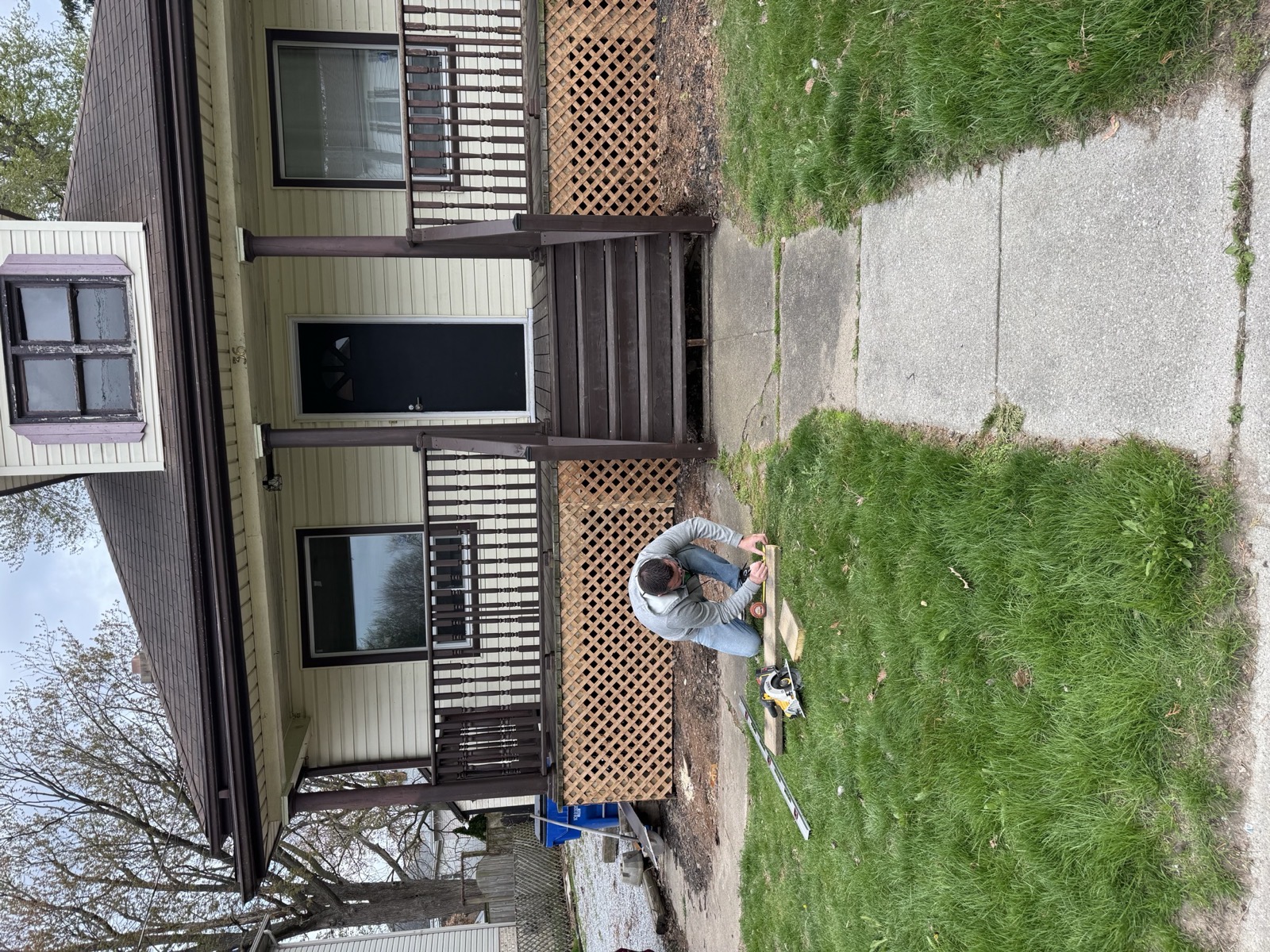
Why Amherstburg's history shows up in the inspection, not just the streetscape
Amherstburg has one of the older cores in Windsor-Essex, with a real concentration of century-plus homes near the waterfront and downtown. That's part of what makes the town appealing, but it also means knob-and-tube wiring, older plumbing, and heritage-designation questions come up more often here than in a newer LaSalle or Lakeshore subdivision.
None of that makes a house unsellable for cash — it just means a buyer working Amherstburg should be comfortable pricing around real, older-home issues rather than assuming a house built in the last few decades.
What to ask before accepting a number in a heritage-adjacent town
Has the buyer actually walked older Amherstburg homes before, or is this their first inquiry from the area? Is the offer already accounting for likely knob-and-tube wiring or an aging chimney, or is that going to surface as a surprise after a walkthrough? A buyer who's specific about this, rather than giving a flat number with no reasoning, is worth more trust.
Amherstburg's proximity to the Detroit River and its tourism economy also means seasonal and part-time-resident houses aren't unusual — if that's the situation, say so upfront, since it can affect timeline expectations on both sides.
The heritage designation question, specifically
Some Amherstburg properties fall within a designated heritage district or carry individual heritage status, which can affect what exterior changes are allowed and adds a step to certain renovation plans. That's worth confirming with the town directly before assuming a heritage designation changes anything about a straightforward as-is cash sale — in most cases it doesn't, but it's a fair question to raise early.