Why LaSalle's newer housing stock changes the conversation
LaSalle has grown substantially in recent decades as a family-oriented suburb close to Windsor, with a lot of relatively recent construction compared to older Windsor-Essex towns. That means the average LaSalle house needs less of the roof-furnace-wiring conversation than an older property elsewhere in the region — but it also means a LaSalle house that does need real work, an older pocket of the town, or an inherited property that wasn't updated, can look like more of an outlier locally.
That's not a bad thing for a seller in that situation — it can mean less local competition for a buyer who specifically works older or as-is properties in a mostly newer town.
What still matters regardless of the town's general profile
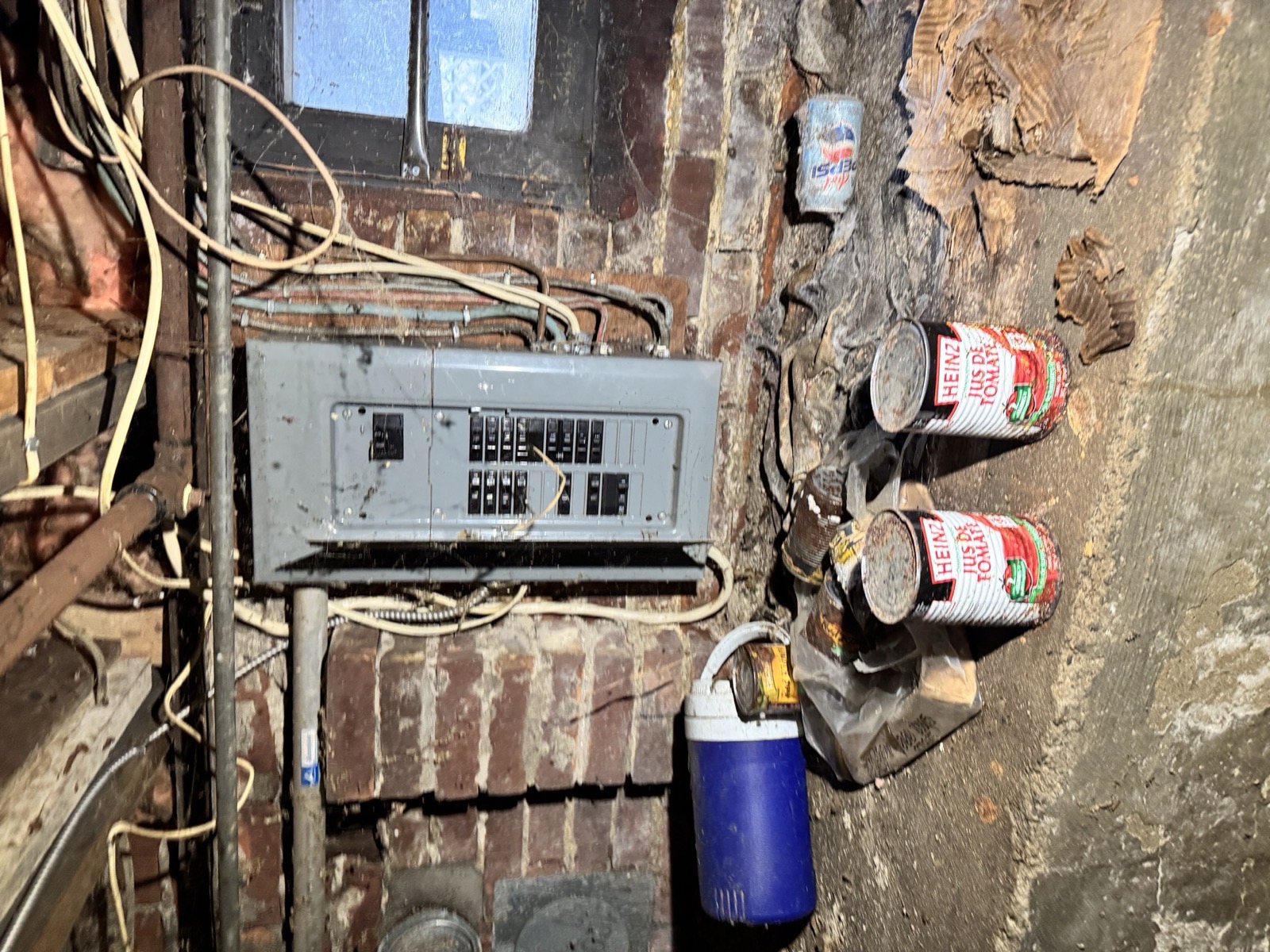
Roof, furnace, wiring, and foundation remain what actually sets the number on any individual house — LaSalle's overall newer housing stock doesn't change how a specific house gets evaluated, it just changes what's typical to compare it against locally.
Questions worth asking a buyer
Has the buyer actually worked LaSalle, including its older pockets, or only newer subdivision sales? Is the offer reflecting the specific house's real condition, or a general LaSalle-area assumption that doesn't apply to an older or unrenovated property?