The bond requirement, specifically
Ontario courts can require an out-of-province (or out-of-country) estate trustee to post a bond before being formally appointed, as a form of security for the estate — this isn't automatic in every case and depends on the specific circumstances, including sometimes what the will itself says. This is a genuine question for an estates lawyer early in the process, since it can affect timing and cost of getting appointed.
Once appointed, the legal authority and duties are the same regardless of where the executor lives — the geography changes the logistics of carrying out the role, not the underlying legal responsibility to act in the beneficiaries' best interest.
Handling the practical, on-the-ground pieces remotely
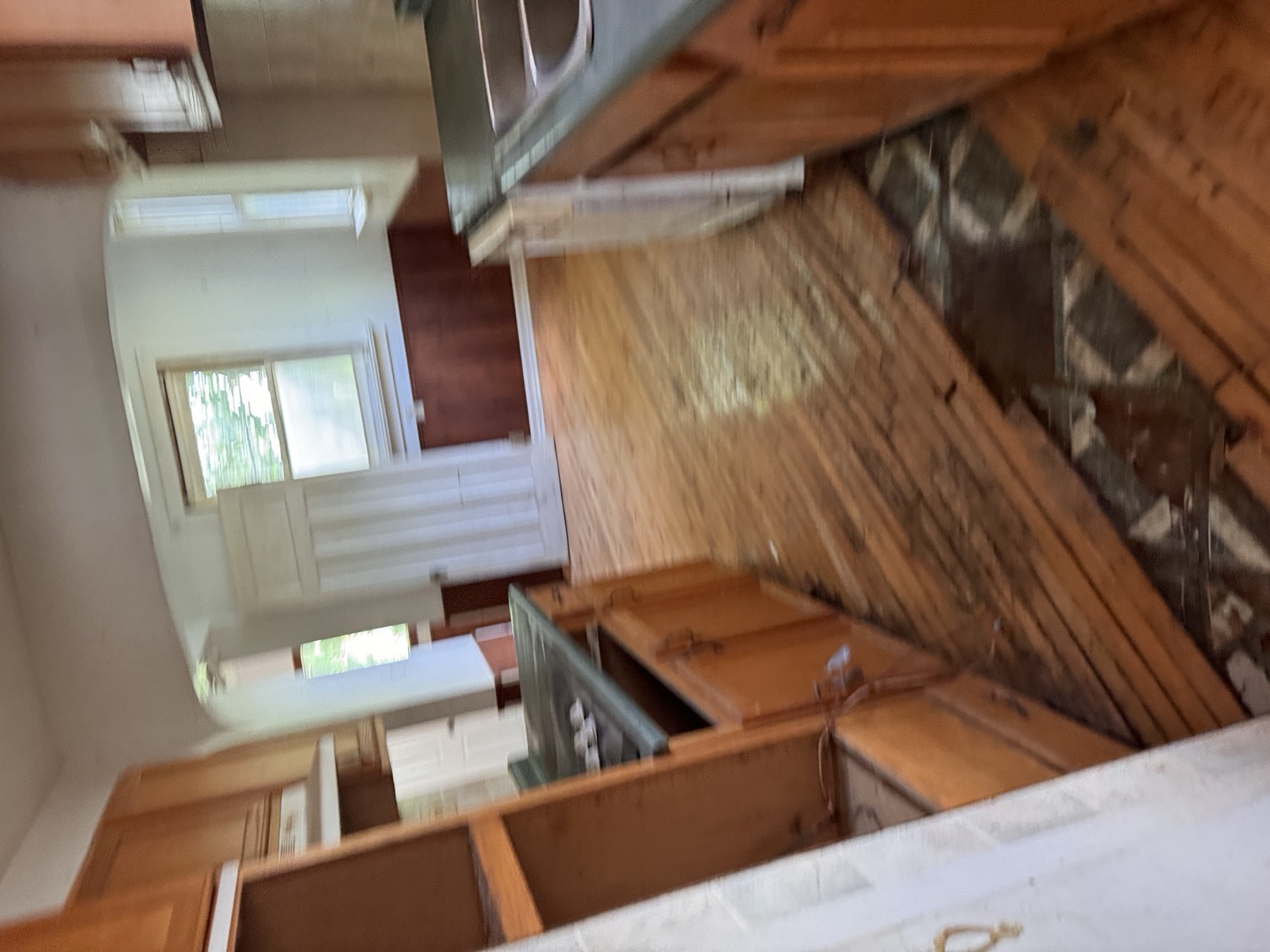
Property maintenance, cleanout, showings or buyer walkthroughs, and general upkeep of the house while the estate is being settled all typically need someone local — whether that's a hired property manager, a cleanout service, a trusted family member, or the buyer's own team in an as-is cash sale. Setting this up early, rather than trying to manage it entirely by phone as issues come up, generally goes more smoothly.
Document signing can mostly be handled remotely through the estate lawyer, with some documents needing local notarization or witnessing depending on where the executor actually is — the lawyer handling the estate can confirm what's needed for the specific documents involved.
Choosing a sale path that minimizes remote coordination
An as-is cash sale generally requires the least on-the-ground coordination of the available options, since there's no staging, no ongoing showings to manage, and often a shorter document list than a traditional listing — worth weighing seriously for an out-of-province executor trying to settle an estate without repeated trips.