What actually requires being physically in Ontario, and what doesn't
Very little of a modern real estate transaction genuinely requires being in the province in person. Listing decisions, reviewing offers, and most communication can happen by phone, email, or video call. What typically does need attention is document signing — some documents can be signed electronically or witnessed remotely, while others may need a lawyer, notary, or commissioner of oaths local to wherever the person actually is.
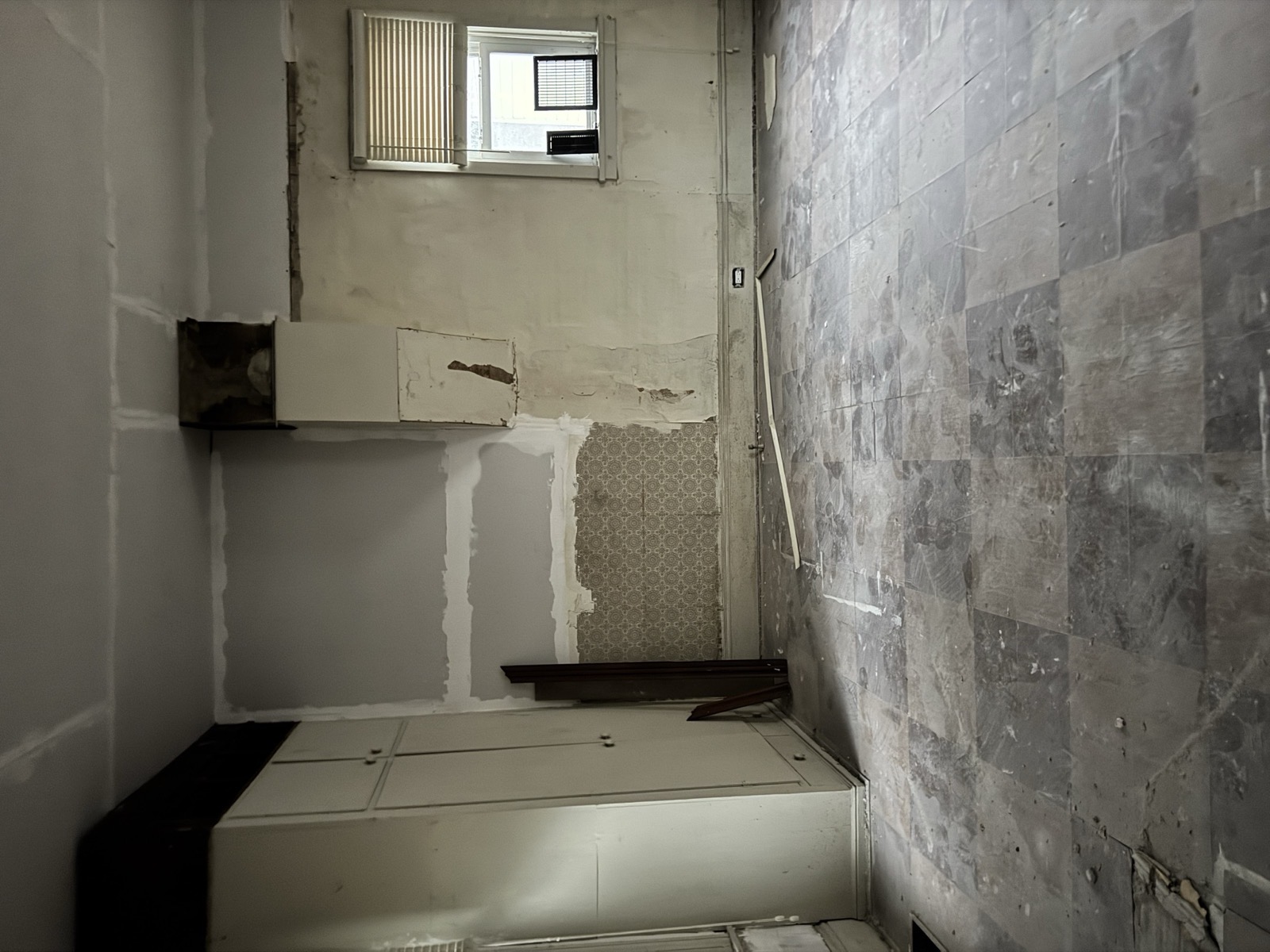
An as-is cash sale removes even more of the friction, since there's no staging, no showings to coordinate, and often a shorter list of documents overall compared to a traditional listing with multiple offers and conditions.
Getting a lawyer set up early, before it becomes urgent
The single most useful step for an out-of-province seller is retaining a real estate lawyer in Ontario early, and asking directly how they handle remote clients — most have a standard process for this already, since it's common with inherited properties. That conversation should happen before an offer is on the table, not after, so signing logistics don't become a last-minute scramble against a closing date.
If the house also needs to be cleared out, hiring a local cleanout or property management service to handle that piece removes the need for a personal visit for that reason alone — though many people out of province still choose to make one trip to handle both the cleanout and any sentimental sorting in person.
Keeping the house secure and insured in the meantime
A vacant house awaiting sale needs attention regardless of where the owner lives — checking on it periodically, maintaining insurance (which can have specific requirements for vacant properties), and basic upkeep like snow clearing or lawn care. Arranging this locally, even informally through a neighbour or a property check service, matters more the longer the sale process takes.