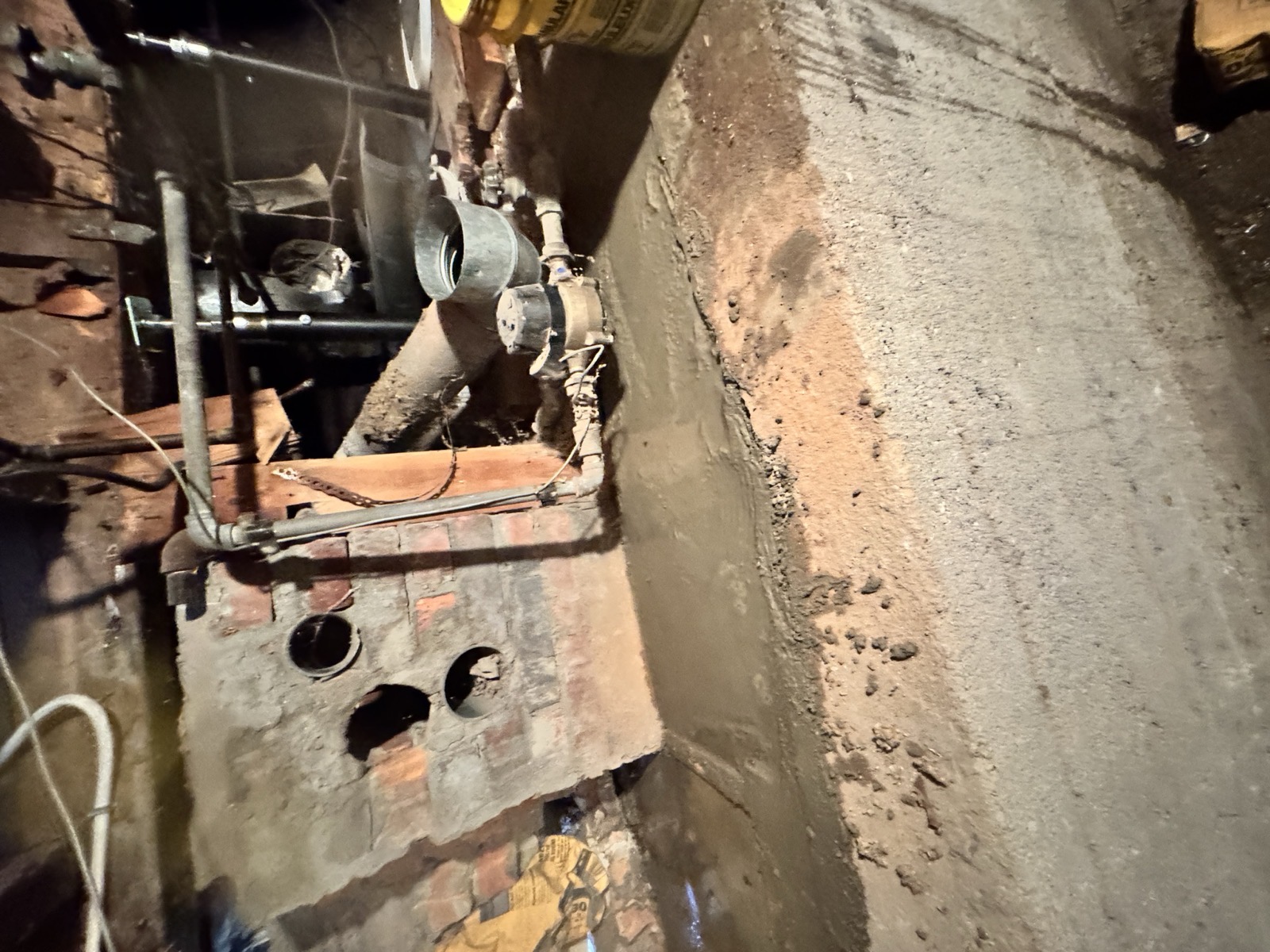
Why foundation issues specifically complicate a traditional sale
Visible foundation cracking, settling, or water intrusion tends to trigger extra scrutiny from a buyer's lender and insurer in a traditional financed sale, since it raises structural questions that go beyond a standard home inspection's scope. That extra scrutiny is often what causes financed deals on a house with known foundation issues to fall through partway, not the issue itself being unsellable.
This is part of why an as-is cash sale — where the buyer isn't relying on mortgage financing or an insurer's sign-off — is often a more realistic path for a house with a documented foundation problem, rather than repeatedly listing it and having deals collapse at the financing stage.
Getting a real assessment before pricing or disclosing anything
Not all foundation cracking or settling is equally serious — some is cosmetic and stable, some indicates an active, worsening structural problem. A structural engineer or qualified foundation specialist can generally distinguish between the two and give a real, documented assessment, which is far more useful to both a seller and a buyer than a visual guess.
That assessment also becomes the basis for honest disclosure, which matters here the same way it does with any known material defect — a seller generally can't sell a house with a known, serious foundation issue while staying silent about it and expect that to hold up later.
What a serious as-is buyer typically wants to see
Any existing engineering reports or inspection documentation, a clear description of what's been observed (cracking, water intrusion, uneven floors), and whether any repair attempts have already been made. Having this organized ahead of time generally speeds up getting a real, informed offer rather than a rough guess.