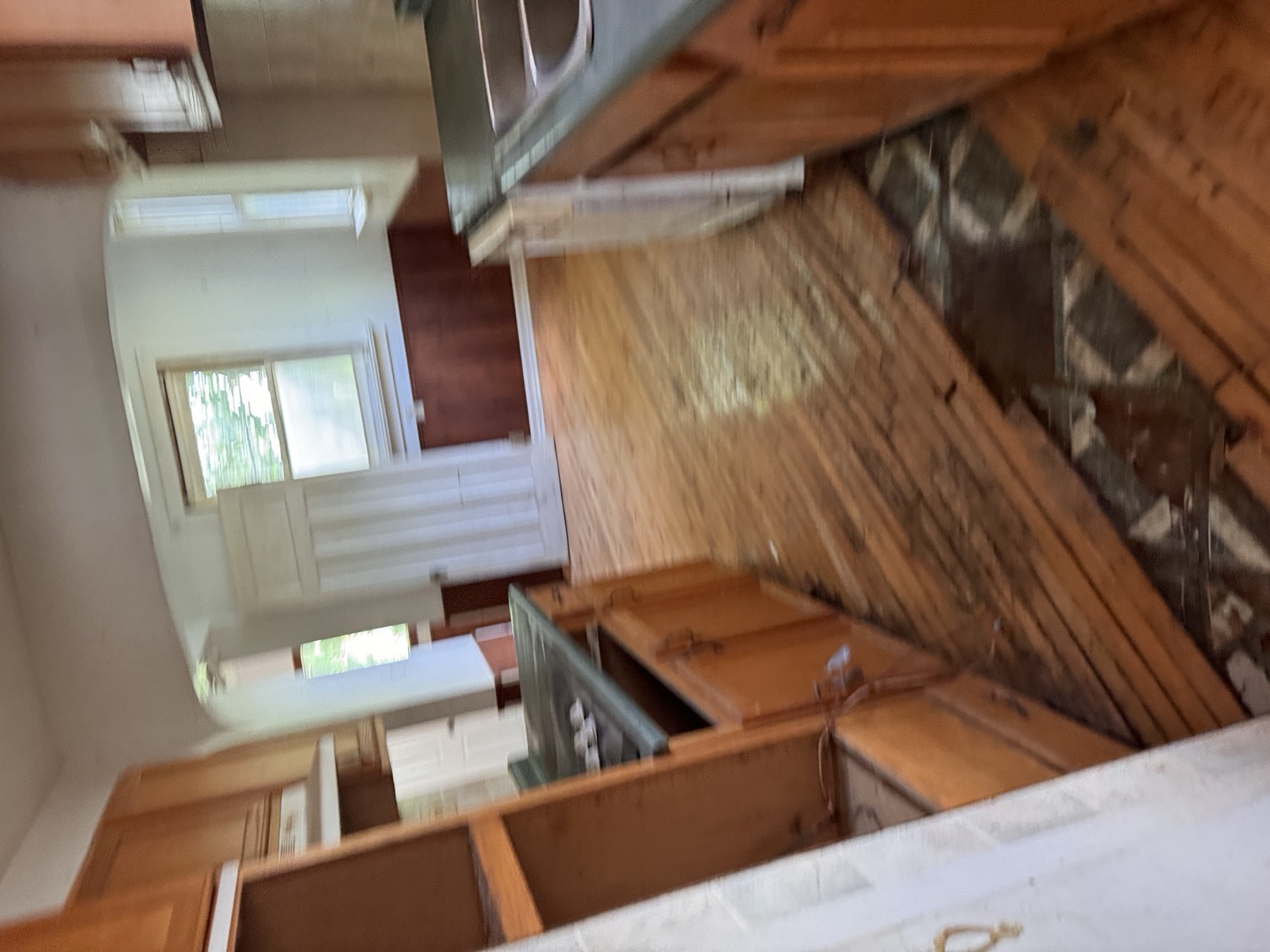
What a condemnation or unfit-for-habitation order actually means
Municipalities have the authority to declare a property unfit for habitation or unsafe under provincial building and fire codes, generally after an inspection finds serious structural, fire, or safety hazards. This is a formal legal order, not an informal opinion, and it typically comes with specific requirements — repair, demolition, or vacancy — attached to the property, not just the current owner personally.
Because the order attaches to the property, a buyer generally inherits the same requirements the seller was facing, which is exactly why disclosure and legal review matter so much here — a buyer needs to know precisely what they're taking on before closing, not discover it after.
Why this is a genuine case for a real estate lawyer, early
The specific requirements of a condemnation order, what it takes to have it lifted, and how it affects a sale all vary by municipality and by the specific findings — this isn't something to navigate based on general information. A real estate lawyer, and often the municipality's building department directly, should be involved before a sale is negotiated, not after an offer is already on the table.
Selling as-is to a buyer who specifically works with distressed and condemned properties is often the most realistic path, since a traditional listing and most retail buyers are generally not equipped to take on a property with an active municipal order against it.
What a buyer working this kind of property typically needs to know
The specific findings behind the order, any documentation from the municipality's inspection, and whether there's a deadline attached for repair or demolition all matter to how a serious buyer evaluates and prices the property. Having that information organized and ready speeds up the process considerably compared to a buyer having to chase it down independently.