Private Lending · Ontario

How Does Private Mortgage Lending Work in Ontario?

Private mortgage lending in Ontario follows the same legal mechanics as a bank mortgage — the lender registers a charge against the property's title, giving them an enforceable claim if the loan isn't repaid. The difference is who's lending: an individual, a small group, or a private fund, rather than a bank or credit union, usually at a higher rate that reflects faster approval and more flexible underwriting.

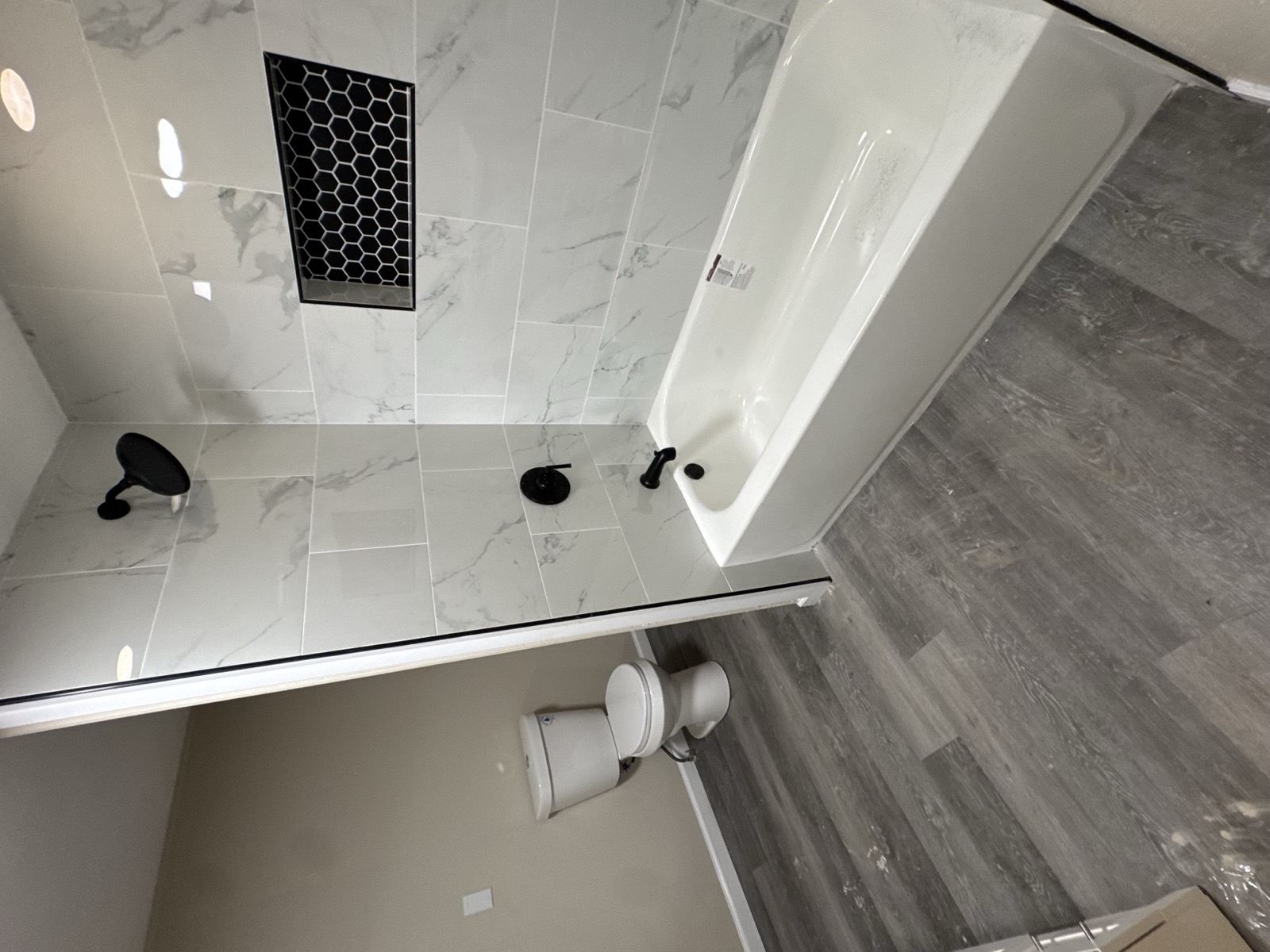
Finished bathroom with black fixtures after a full refresh

The steps, in order

A borrower and lender agree on terms (amount, rate, term, loan-to-value), a real estate lawyer drafts the mortgage document and registers the charge on title, funds are advanced at closing, and payments follow the agreed schedule until maturity or payout.

Why borrowers use private lenders instead of a bank

Speed (days or weeks instead of a bank's typical process), flexibility on property type or borrower situation, and approval where a bank has already said no — a rehab project, a short-term bridge, or a borrower who's self-employed and thin on paperwork are common reasons.

What the lender is actually taking on

The lender's protection is the registered charge and the equity cushion below it — not a personal guarantee alone. That's why loan-to-value discipline, not just the borrower's story, is what a careful private lender underwrites first.

Common Questions
Not required, but a broker or lawyer experienced in private lending helps structure terms and find counterparties — many private loans happen through existing relationships instead.
Private lending activity can fall under provincial mortgage brokering and lending rules depending on how it's structured — confirm with a lawyer or licensed mortgage professional before arranging deals at any scale.
Next step
Sorting Out a Parent's House
The four things that have to happen, and the order they have to happen in, written for families in Chatham-Kent.
Get the free guide
Related