Repairs that tend to pay for themselves, and ones that don't
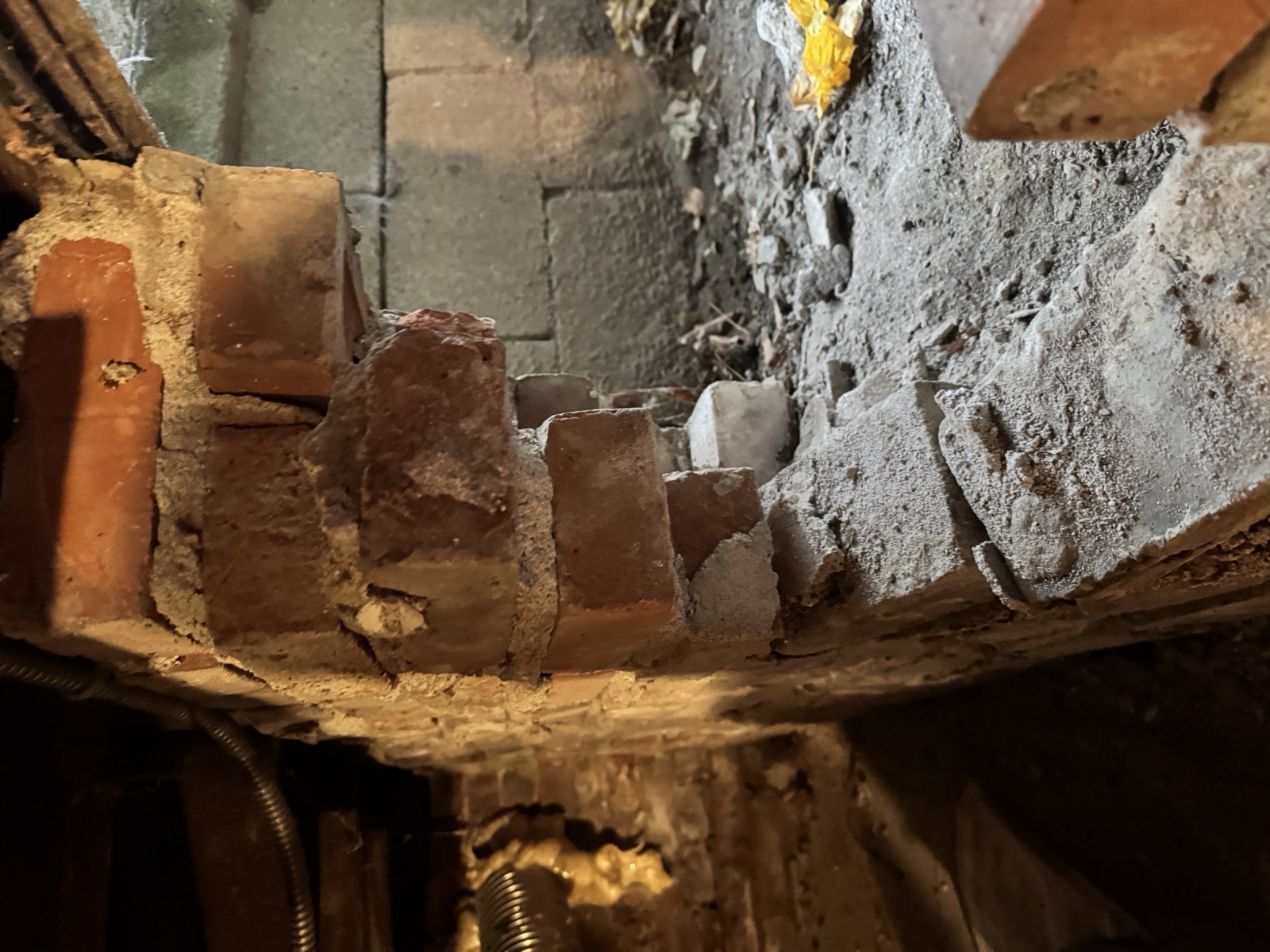
Cosmetic, lower-cost fixes — a fresh coat of paint, decluttering, minor landscaping — often do improve buyer perception relative to their cost in a traditional listing, which is part of why they're commonly recommended. Larger structural repairs — a roof, foundation work, major electrical — are a different calculation entirely, since the cost can be substantial and there's no guarantee the sale price increases by a matching amount.
The honest comparison isn't "will this repair help the house sell" — almost any repair helps somewhat — it's whether the actual net gain, after the repair's real cost and the time it takes, beats simply selling as-is at a price that already accounts for the issue.
What repairing first actually costs beyond the invoice
Contractor availability, project overruns, and the general unpredictability of renovation work are real costs that don't show up on an initial quote — a repair budgeted at a certain amount and timeline frequently runs over both, and that risk sits entirely with the seller in a repair-first approach. There's also the carrying cost of the house during the repair period — taxes, insurance, utilities, and mortgage payments if applicable — that keep accumulating while work happens and the house isn't yet on the market.
For someone without the cash on hand to fund repairs upfront, or without the time to manage contractors, this calculation tilts further toward as-is regardless of what the repair's theoretical return might be.
When as-is is clearly the better math, and when it isn't
For a house needing extensive work — multiple major systems, structural issues, or simply more than the seller can fund or manage — selling as-is to a cash buyer who prices the condition in directly is usually the more realistic and less risky path. For a house needing only minor, inexpensive cosmetic work with a seller who has the time and means to do it, a traditional listing after light prep may realistically net more. The right call depends on being honest about which situation actually applies.