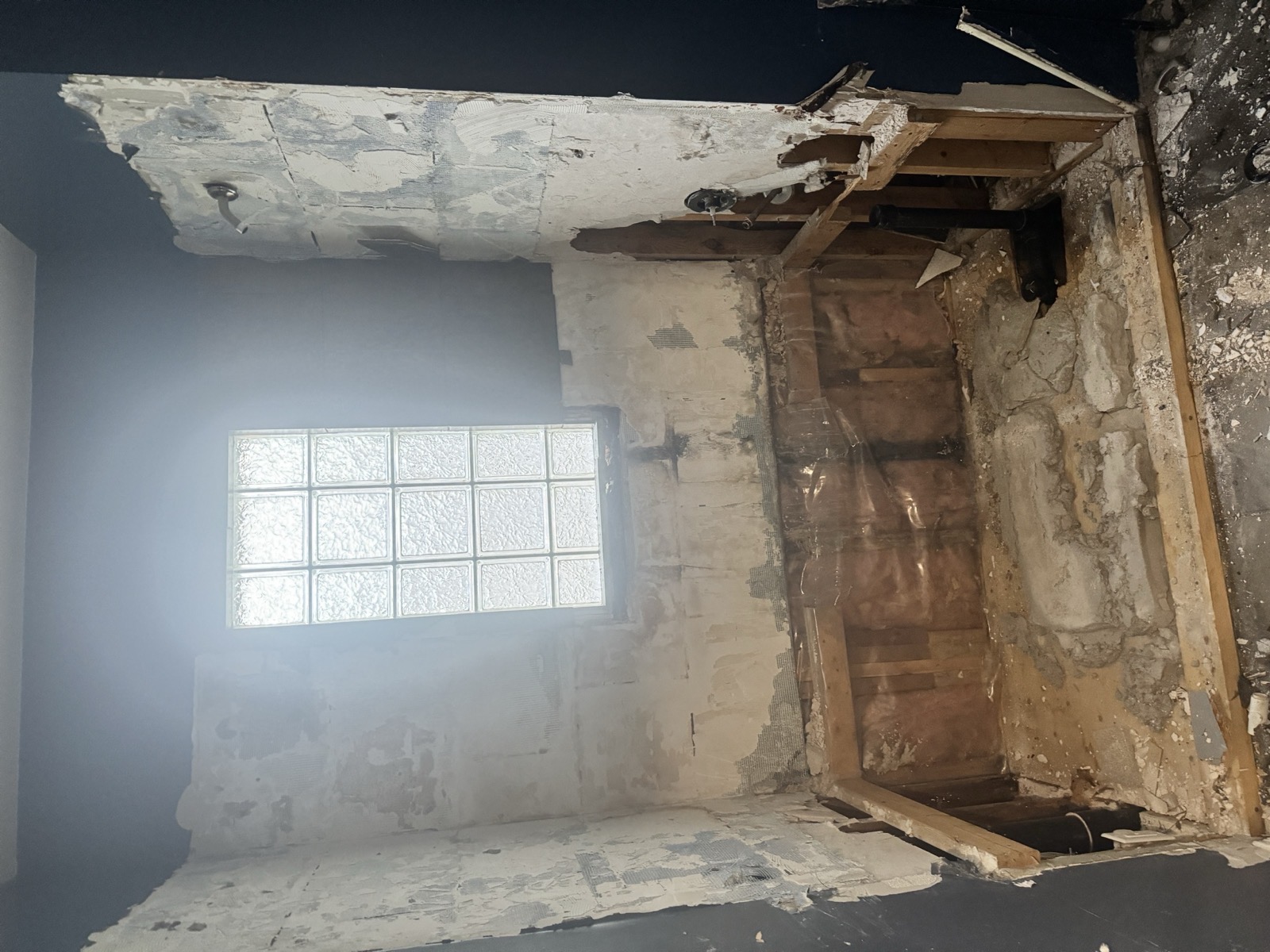
What "as-is" changes, and what it doesn't
In an as-is sale, the buyer typically isn't going to come back after an inspection asking for the roof to be fixed or the price adjusted for it — the condition, whatever it turns out to be, is priced in from the start, which is part of why it can move faster than a traditional listing with repair negotiations built in.
What as-is doesn't do is override Ontario's general legal principle that a seller can't knowingly hide a serious, known defect and stay silent about it. "As-is" describes the deal structure, not a shield against disclosure obligations that already exist independent of it.
Where sellers get this wrong
The most common mistake is treating "as-is" as permission to not mention something specific and known — a past flooding issue, a known structural problem, an ongoing pest issue. That's a different question from general condition, and it's the one worth getting right with a real estate lawyer before signing anything, since the consequences of getting it wrong can follow a seller well past closing.
A buyer who specifically wants an as-is, no-repairs sale is usually pricing that reality into the offer already — which is a large part of why an honest answer about known issues tends to help a seller more than it hurts them in this kind of transaction.
Why this matters more for a cash sale than people expect
Cash buyers who specialize in as-is purchases generally expect some level of deferred maintenance and price accordingly — that's the model. What they don't expect, and what causes real problems later, is a known issue that wasn't disclosed and surfaces after closing. Being upfront early is what keeps an as-is sale simple instead of turning it into a dispute months later.