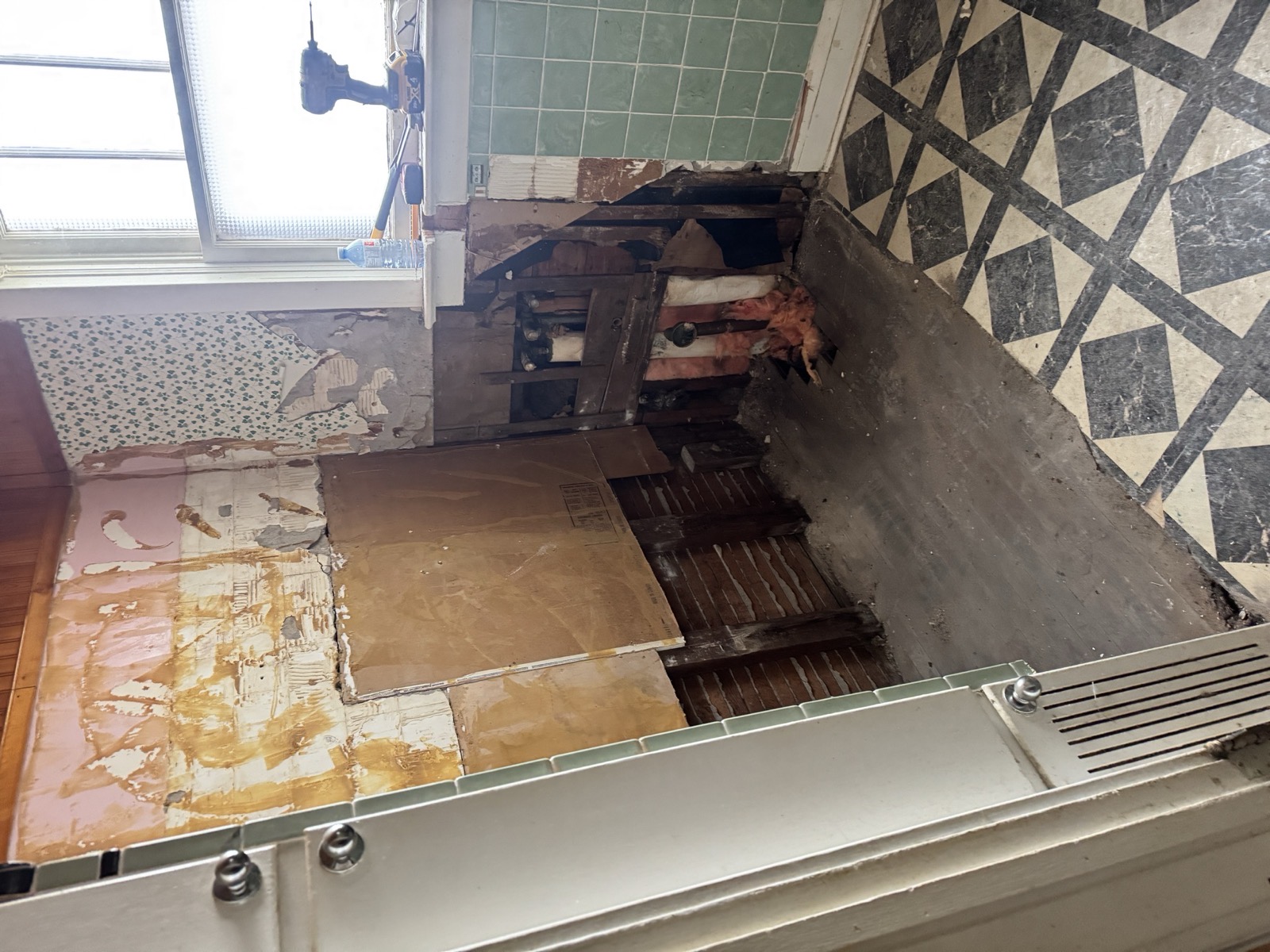
Why a full cleanout isn't actually required to sell
The instinct many people have is that a house needs to be emptied and presentable before it can sell at all — that's true for a traditional listing aimed at retail buyers, but it isn't true for an as-is cash sale. A buyer working in this space has generally seen houses in this condition before and factors the cost and effort of a cleanout into the offer, rather than making it the seller's responsibility upfront.
This matters most for someone facing the situation without the time, money, or physical ability to do a full cleanout themselves — an inherited house, an aging parent's home, or a property that's simply gotten away from someone. It removes what's often the single most overwhelming part of the whole process.
What's worth doing before a sale, even if a full cleanout isn't required
Securing anything of genuine value or sentimental importance — documents, jewellery, photographs, anything irreplaceable — is worth doing regardless of how the house is ultimately sold, since a buyer's cleanout process won't distinguish sentimental items from anything else. Beyond that, there's no requirement to sort, organize, or clear the bulk of the house before getting an offer.
Being upfront with a buyer about the general volume and condition of contents, rather than downplaying it, tends to produce a more accurate offer the first time, rather than a number that has to be revised after a walkthrough reveals more than expected.
Why this matters for families dealing with it from a distance
Out-of-town family members handling an inherited or aging-relative's house often can't realistically manage a physical cleanout themselves — knowing that a sale doesn't require one removes a major logistical barrier and lets the sale move forward on a realistic timeline instead of waiting for a cleanout that may never happen otherwise.