Why Windsor houses price differently from the county
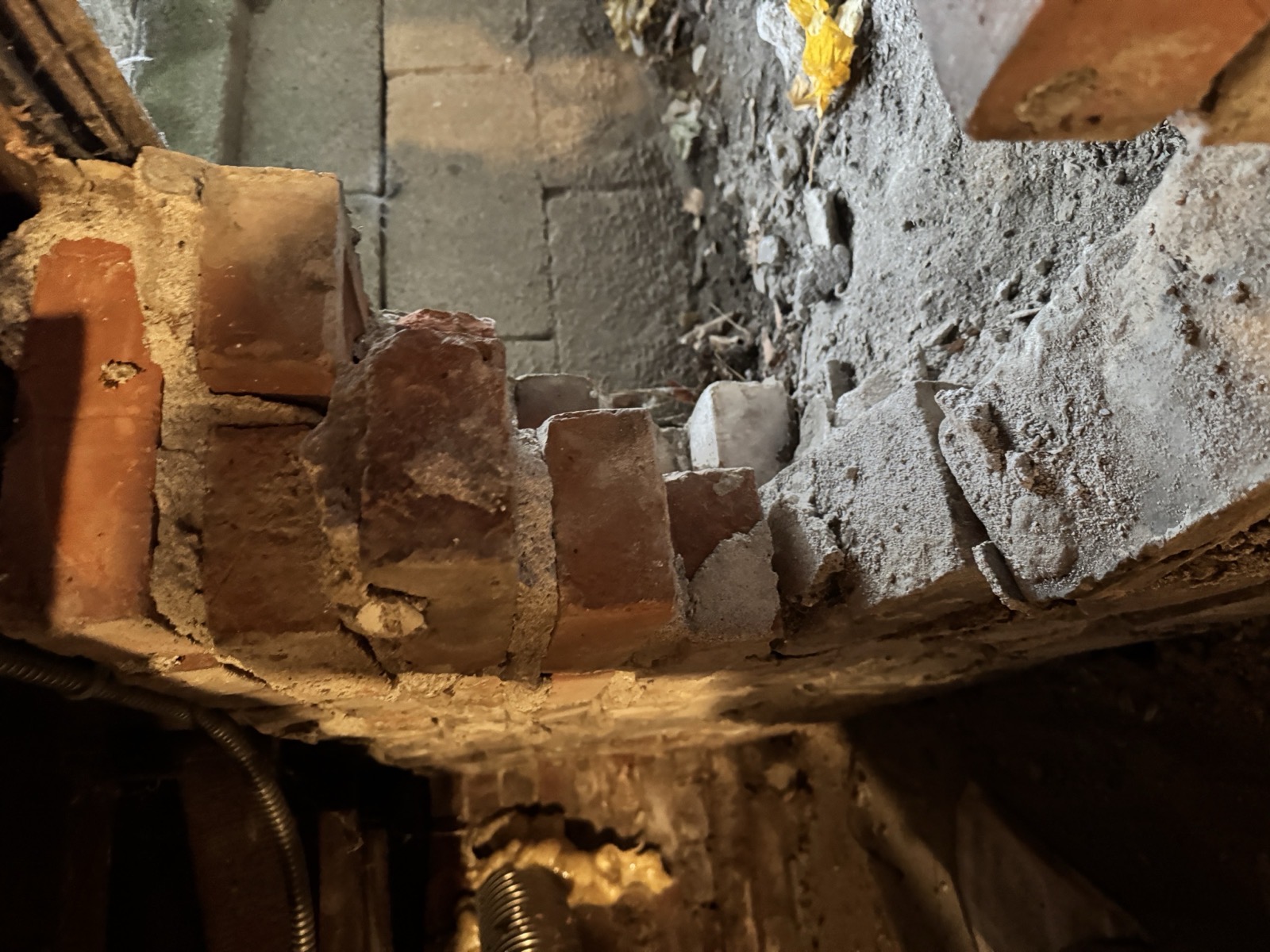
Windsor is a city, not a farm-town market, and a lot of its housing stock is older core: brick and frame houses from well before the 1970s, many with original wiring, aging roofs, old furnaces and basements that have seen decades of Great Lakes weather. Compared with a newer subdivision, there is simply more that can be wrong behind the walls. A cash buyer who works these neighbourhoods prices that in directly, which is why a quick conversation about the house's actual condition matters far more than how it looks from the street.
What a buyer checks first
Four things set most of the number. The roof: its age, and whether it needs replacing now or in a few years. The furnace: whether it still has years left in it. The wiring: knob-and-tube, aluminum or standard copper on breakers, since the first two can be a real cost and can complicate insurance. The foundation and basement: cracks, moisture, and anything that has been patched rather than fixed.
Kitchens, paint, flooring and clutter matter much less, because a buyer pricing a renovation was going to replace them anyway. That's why a house can look rough and still price sensibly, while a tidy house with an old roof and an original furnace may not. Our post on what "as-is" means in Ontario goes through the reasoning in more detail.
How a fast sale actually runs
The steps are the same as any Ontario sale, minus the parts that cost time. You describe the house and send photos, or arrange a short walkthrough. You get a written offer. If you accept, both sides' lawyers handle the agreement, the title search and the closing paperwork, and funds move through the lawyer on the closing date you chose. There's no mortgage approval, no bank appraisal and no showings in between.
Two to three weeks is realistic when the title is clean and you're ready to go. Thirty to 45 days is more typical once the lawyers and title work are counted. What stretches a timeline is usually on the paperwork side, such as a lien, a mortgage payout that takes time to confirm, or an estate waiting on documents, not the buyer's money.
When a cash sale fits, and when listing is better
A cash sale tends to fit when the house needs real work, when you're relocating or settling an estate on a deadline, or when you simply don't want strangers walking through. If the house is in good shape and you have months to spare, listing with a realtor will often net more, even after commission. The honest way to decide is to total what a listing would cost you in commission, repairs and carrying costs and compare that against the cash number. Our cash buyer versus realtor post lays out that comparison.
Getting a number without committing
Ask for a no-obligation number, ask exactly what could change it before closing, and get the answer in writing. If you can, compare two or three offers. Cactus Capital buys across Windsor-Essex and Chatham-Kent, and a number from us costs nothing and doesn't commit you to selling. Before you sign anything with any buyer, have a real estate lawyer read it.