What the law requires, and what it doesn't
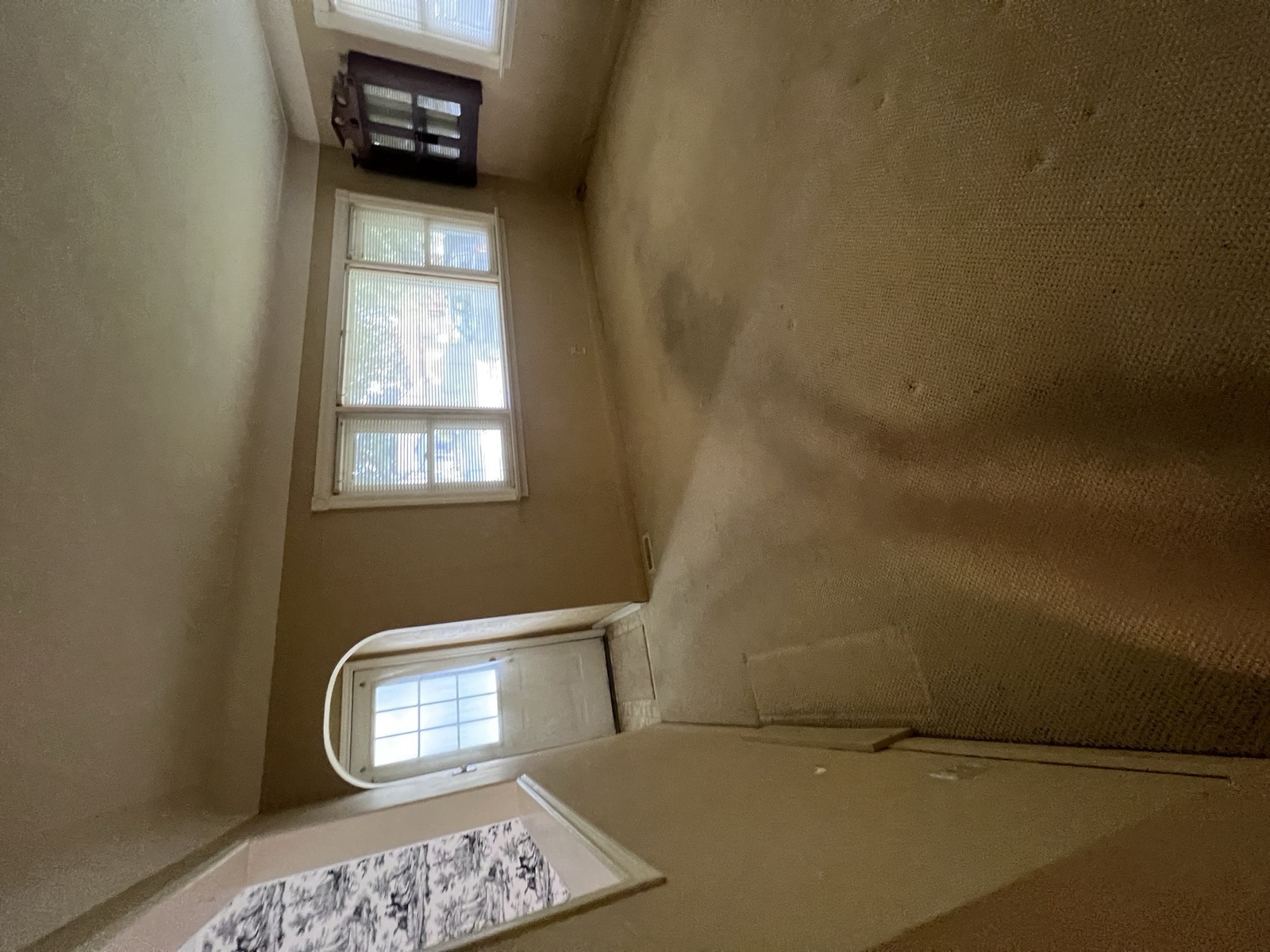
Nothing in the sale process requires a house to be empty or clean. A buyer can agree to purchase it with everything in place, and the agreement simply says what stays and what goes. The only practical rule is that on closing day, the house is in the state the agreement describes. Anything personal or valuable that you or the family want, you take out first; the rest can be dealt with in the price.
Why clearing it out is optional, not mandatory
A buyer who is pricing a renovation was going to strip the house back anyway. Clutter, old furniture and a full basement matter less to them than the roof, furnace, wiring and foundation. For heirs and executors, that means you can remove what has real or sentimental value and leave the rest. It also means a house that looks overwhelming from the doorway can still be sold without anyone lifting a box.
What it does to the offer
Contents add cost and time for the buyer, since someone has to remove them, so an offer on a full house is typically lower than one on a house that's been cleared. How much lower depends on the volume and condition. The useful comparison is not "clean versus dirty" but whether the savings from clearing it yourself are worth the weeks, the dump runs and the cost of a cleanout company. For a house that is lightly full, clearing it may pay. For a heavily full house, or a family spread across provinces, it often does not.
What to take out first
Before anyone talks price, secure the things that can't be replaced. Look for documents such as the will, deeds, insurance papers and tax records. Look for photographs, jewellery, cash, keepsakes and medications, and anything with sentimental or monetary value. Take photos of the rest before you decide. Ask a sibling or the executor to walk through with you, so nobody has to wonder later what was removed. If the estate is still being sorted out, talk to the executor and the lawyer before removing or selling anything, since the executor is responsible for the estate's assets.
When cleaning out first does make sense
If the house is in decent condition and you have time and help, clearing it can widen the buyer pool and raise the price on a listing with a realtor. If there is mold, pests or a safety concern, a professional cleanout may be needed regardless of how you sell. A middle path is to clear only the rooms that block a walkthrough, so the buyer can see the condition of the house without you emptying it. And if the family needs to go through everything on their own schedule, a buyer can sometimes agree to a later closing date to give you that time.