What "market value" quietly assumes
A market value figure usually describes a house in sellable condition, listed on the open market, shown to a stream of buyers, and bought by someone with a mortgage after a few weeks or months. It assumes you will fix what needs fixing, stage it, and wait. If your house doesn't match that picture, because it needs work or you can't wait, then the market figure is not the number you would actually walk away with.
The math a cash buyer actually does
The structure is simple. Start with what the house would be worth finished and repaired. Subtract the cost of the repairs. Subtract the cost of holding and selling it afterward, such as taxes, insurance, utilities, closing costs and the time it takes. Subtract a margin for the risk that the work costs more than expected. What is left is the offer. A buyer who can walk you through those steps in plain language is a buyer worth listening to.
Roof, furnace, wiring
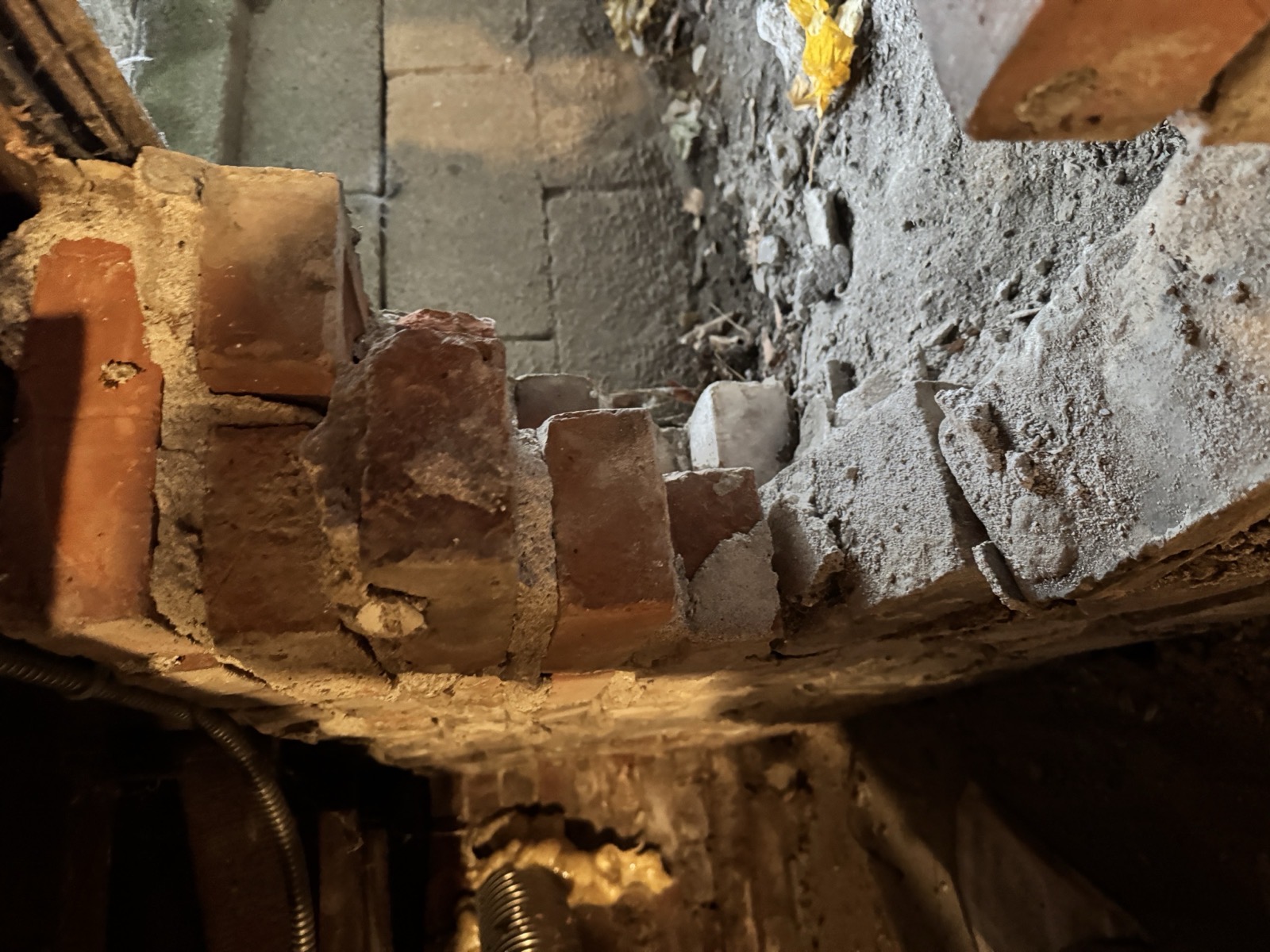
Three items drive most of the repair line on an older house. A roof near the end of its life, a furnace that is failing or on its last years, and wiring that is knob-and-tube or aluminum can each be a large expense, and they are the ones a buyer checks first. Cosmetic things matter less. This is why two houses of the same size on the same street can draw very different offers.
What you save by taking the lower number
A listed sale has its own costs: realtor commission, repairs made to attract buyers, carrying costs while you wait, and the chance that a buyer's financing falls through. A cash sale removes most of these and replaces them with a single, known number. Our post on the cost of selling with a realtor in Ontario lays out that side of the comparison, so you can put the two totals next to each other instead of comparing a headline price to a net one.
When the discount is not fair
If the buyer will not explain how they got to the number, if it drops after the walkthrough with no reason given, or if the house is in good condition and you have plenty of time, the trade may not be worth it. In that case a listing may serve you better. The honest approach is to get two or three offers, ask each buyer to show the repair assumptions, and compare them with your realistic net from listing.
What fair looks like
Fair is hard to define by a single number. A cash offer is fair when the buyer's assumptions match the real condition of the house, the reasoning is shared with you, and the choice stays yours. It is not fair when the number is padded with unexplained risk or when pressure replaces explanation. You are allowed to say no, to counter, and to take the offer to someone else. A good buyer expects all three.